Therapist listings are provided by BetterHelp. We will earn a commission at no additional cost to you if you sign up through our links.

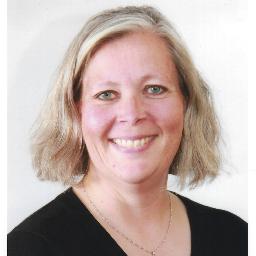
Sarah Dubisar

Sarah Dubisar

LCSW

Practical, mindful therapy for life changes

Areas of expertise

Also works with

LGBTRelationship issuesFamily conflictsSleeping disordersAnger managementCareer difficultiesBipolar disorderCoping with life changesADHD

Additional focus areas

Aging and geriatric issuesCaregiver issues and stressChronic pain, illness, and disabilityDivorce and separationFirst responder issuesForgivenessHospice and end-of-life counselingIsolation / lonelinessLife purposeVeteran and Armed Forces IssuesMood disordersMulticultural concernsPanic disorder and panic attacksPolyamory / non-monogamous relationshipsPost-traumatic stressSeasonal Affective Disorder (SAD)Sexual assault and abuseSmoking / vaping cessationSocial anxiety and phobia

Therapeutic approaches

Acceptance and Commitment Therapy (ACT)Client-Centered TherapyCognitive Behavioral Therapy (CBT)Dialectical Behavior Therapy (DBT)Mindfulness TherapyMotivational InterviewingSolution-Focused TherapyTrauma-Focused Therapy

Experience

13+ years

Credentials

Oregon

Languages

English

Licenses listed

As listed on the therapist's profile. You can check a license with the state licensing board and an NPI in the national registry.

  • Mindfulness-based skills
  • CBT and ACT tools
  • Compassionate listening

About Sarah

Sarah Dubisar is a Licensed Clinical Social Worker with 13 years of clinical experience. She helps people who are overwhelmed by stress, anxiety, grief, relationship strain, bipolar mood shifts, trauma, and work or life changes. Sarah also supports people facing caregiving strain, chronic pain or illness, and concerns about identity and relationships.

She practices in Oregon and draws on mindfulness and cognitive behavior ideas in sessions. Her style is down-to-earth and practical. Sessions often focus on skills people can use between meetings, such as breathing and grounding, shifting unhelpful thoughts, and building routines.

Sarah's background includes medical social work, crisis assessment, hospice counseling, emergency department work, and grief support. She has experience with severe mental illness, testimony in court, and consulting in private practice settings. This variety informs how she shapes a plan for each person.

In the room she mixes client-centered listening with targeted tools from Acceptance and Commitment Therapy, Dialectical Behavior Therapy, and Cognitive Behavioral Therapy. That means clients get space to tell their story, alongside concrete strategies to manage symptoms and day-to-day challenges.

Sarah also includes two therapy dogs in her practice. Many people find the dogs comforting during sessions. To begin, visitors use the site Start Therapy button and complete a short matching questionnaire to schedule according to therapist availability.

How therapeutic approaches work online

Mindfulness Therapy teaches simple attention and breathing practices that help reduce reactivity and support clearer thinking; it is useful for anxiety, stress, and sleep concerns. Acceptance and Commitment Therapy (ACT) focuses on identifying values and taking small steps toward them while learning to accept difficult feelings, which can help with depression, grief, and life transitions. Client-Centered Therapy prioritizes the person's experience and uses empathic listening to create a trusting space for problem solving and personal insight.

Choosing the right approach is part of the work together. The therapist will listen to your goals and try different tools to see what fits best. That collaborative process means methods can be adjusted over time based on what helps you most.

Confirm current session options before booking so you know which formats are available. Many people find online therapy makes it easier to fit sessions into a busy week, reduces travel time, and allows for shorter check-ins when needed. Talk with the therapist about what works for your schedule and day-to-day demands before you book.

These summaries are based on the profile information listed on BetterHelp. Listing mindfulness as an approach does not mean a therapist holds a formal mindfulness training or certificate.

Frequently asked questions

What concerns does Sarah help with?

She supports people dealing with stress, anxiety, depression, trauma, grief, relationship and family issues, ADHD, bipolar mood concerns, and challenges related to caregiving, chronic illness, or life transitions.

What is her approach in session?

Sessions combine client-centered listening with practical techniques from mindfulness, Cognitive Behavioral Therapy, Acceptance and Commitment Therapy, and Dialectical Behavior Therapy to address symptoms and everyday coping.

What experience does she bring?

She has 13 years of experience across medical social work, crisis assessment, hospice and grief counseling, emergency department social work, court testimony, and private practice consulting.

Where does Sarah practice and what is her credential?

She practices in Oregon and holds the credential LCSW, which stands for Licensed Clinical Social Worker.

Which languages are available for sessions?

Sessions are offered in English.

Can people from other countries work with her?

She does not accept international clients at this time.

How are fees and payment handled?

Cost varies with location and therapist availability; sessions use a subscription that can be canceled at any time.

How do I get started with therapy?

Click the Start Therapy button, complete the short matching questionnaire, and schedule a session according to therapist availability.

Therapists on BetterHelp do not prescribe medication. A doctor can talk with you about medical options. If you are thinking about suicide, call or text 988; in an emergency, call 911.

Sarah DubisarContinue with Sarah