Therapist listings are provided by BetterHelp. We will earn a commission at no additional cost to you if you sign up through our links.

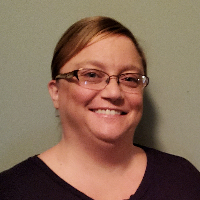
Rochelle Rheingans

Rochelle Rheingans

LPCC, LMHC

Practical support with mindfulness and skills

Areas of expertise

Also works with

Family conflictsTrauma and abuseGriefIntimacy-related issuesSleeping disordersParenting issuesAnger managementBipolar disorderCompassion fatigueADHD

Additional focus areas

AbandonmentAttachment issuesBlended family issuesCaregiver issues and stressCommitment issuesCommunication problemsControl issuesDependent personalityDivorce and separationDomestic violenceEmptinessFamily of origin issuesFamily problemsFatherhood issuesForgivenessGuilt and shameImpulsivityInfidelityIntellectual disabilityIsolation / lonelinessJealousyLife purposeMood disordersObsessions, compulsions, and OCDPanic disorder and panic attacksParanoiaPersonality disordersPhobiasPostpartum depressionPost-traumatic stressSeasonal Affective Disorder (SAD)Self-harmSelf-loveSexual assault and abuseSocial anxiety and phobiaTrichotillomaniaWomen's issuesWorkplace issuesYoung adult issues

Therapeutic approaches

Client-Centered TherapyCognitive Behavioral Therapy (CBT)Dialectical Behavior Therapy (DBT)Mindfulness TherapyMotivational InterviewingSolution-Focused Therapy

Experience

13+ years

Credentials

Minnesota, Washington, Iowa

Languages

English

Licenses listed

  • LPCC, Minnesotacc00852
  • LMHC, WashingtonLH 61185475
  • LMHC, Iowa114090
  • NPI 1588067540

As listed on the therapist's profile. You can check a license with the state licensing board and an NPI in the national registry.

  • Mindfulness based care
  • Skills focused
  • Strengths oriented

About Rochelle

Rochelle Rheingans is a Licensed Professional Clinical Counselor (LPCC) and a Licensed Mental Health Counselor (LMHC) based in Minnesota. She focuses on helping people who are struggling with stress, anxiety, depression, relationship and intimacy concerns, sleep problems, parenting strain, grief, trauma and a wide range of life transitions. Rochelle writes plainly and works to make the first steps toward support feel manageable.

With 13 years of clinical experience, Rochelle adapts her style to each person. She treats clients as whole people and draws on their strengths when tackling problems. Sessions can include skill building, self-compassion practices, and a touch of humor to make difficult topics easier to approach.

Her work includes approaches such as cognitive behavioral therapy, dialectical behavior therapy, mindfulness therapy, client-centered therapy, and motivational interviewing. She uses these methods to help people learn new ways of coping, manage intense emotions, and change unhelpful thinking patterns.

Rochelle does not avoid difficult material and acknowledges that starting therapy can feel scary. She aims to be a steady, encouraging presence who advocates for each person she works with. The focus is on practical steps that people can use between sessions to feel more grounded and engaged in daily life.

People who choose her often want a therapist who listens without judgment and who offers concrete tools alongside empathetic support. Prospective clients are invited to consider whether a collaborative, skill-focused approach feels like the right next step.

How mindfulness and skills translate to online sessions

Mindfulness therapy focuses on simple awareness practices and breathing or grounding exercises to help reduce reactivity and increase calm. It can help with stress, anxiety, sleep problems, and managing intense emotions by training attention to present-moment experience.

Client-centered therapy emphasizes listening, empathy, and meeting each person where they are. It helps people feel understood and supports them as they identify their own goals and solutions.

Cognitive behavioral therapy, or CBT, teaches practical skills to change unhelpful thinking and behavior patterns. It is often used for anxiety, depression, and difficulties with motivation or sleep.

Finding the right approach is part of the work. Rochelle will collaborate with each person to decide which methods to try first based on their needs, goals, and preferences. The process is shared and adjusted as progress is made.

The biography does not list specific session formats, so please confirm current options before booking. Online therapy can make it easier to fit sessions into busy days, reduce travel time, and allow short check-ins when life gets hectic. It also lets people practice mindfulness and behavioral tools in the settings where they live, work, and rest, which can help with applying new skills between sessions.

These summaries are based on the profile information listed on BetterHelp. Listing mindfulness as an approach does not mean a therapist holds a formal mindfulness training or certificate.

Frequently asked questions

What issues does Rochelle commonly help with?

She works with stress, anxiety, depression, relationship and intimacy concerns, sleep problems, parenting challenges, grief, trauma and other life changes listed in her specialties.

What is her general therapy style?

Her style is flexible and client-centered. She combines skill building, normalizing, humor, and self-compassion depending on what each person needs.

How much clinical experience does she have?

Rochelle has 13 years of experience working in clinical settings and private practice, bringing that background into her current work.

What credentials and location are listed for Rochelle?

She holds the LPCC and LMHC credentials and practices in Minnesota.

Which languages are supported for sessions?

Sessions are offered in English only.

Can international clients work with her?

She does not accept international clients at this time.

How are sessions structured and what about formats?

Specific session formats are not listed in the biography. Please confirm current session options before booking so you know what formats are available.

How does cost and scheduling work?

Cost varies with location and therapist availability and sessions use a subscription that can be canceled at any time. To start, use the Start Therapy button and complete the short matching questionnaire before scheduling.

Therapists on BetterHelp do not prescribe medication. A doctor can talk with you about medical options. If you are thinking about suicide, call or text 988; in an emergency, call 911.

Rochelle RheingansContinue with Rochelle