Body imageCommunication problemsControl issuesCoping with natural or human-caused disasterDivorce and separationDomestic violenceDrug and alcohol addictionEating and food-related issuesFamily of origin issuesFirst responder issuesGuilt and shameImpulsivityIsolation / lonelinessMen's issuesMidlife crisisVeteran and Armed Forces IssuesMood disordersObsessions, compulsions, and OCDPanic disorder and panic attacksPersonality disordersPhobiasPost-traumatic stressSelf-harmSexual assault and abuseSocial anxiety and phobiaWorkplace issues
Therapeutic approaches
Cognitive Behavioral Therapy (CBT)Dialectical Behavior Therapy (DBT)Eye Movement Desensitization and Reprocessing (EMDR)Mindfulness TherapyMotivational InterviewingSolution-Focused TherapyTrauma-Focused Therapy
As listed on the therapist's profile. You can check a license with the state licensing board and an NPI in the national registry.
Mindfulness-based approaches
Trauma-informed care
Practical coping skills
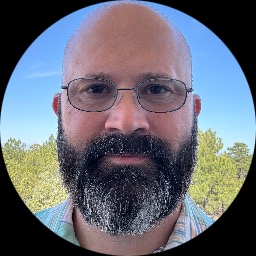
About Paul
Paul Brunner is a licensed clinical social worker who helps people manage stress, anxiety, depression, trauma, and related struggles. He writes simply and directly, and aims to meet clients where they are. Paul brings 15 years of mental health experience to sessions and focuses on practical steps people can use day to day.
Paul trained and worked in military mental health, beginning as a mental health technician in 1999 and later serving as an Army officer and active duty social worker. He completed a Master of Social Work and holds LCSW and CSW credentials for Colorado and North Carolina. Over his career he has provided trauma-focused care, substance abuse treatment, and support for people affected by domestic violence and sexual abuse.
In sessions he often combines mindfulness practices with evidence-informed therapies. He uses approaches that help people notice unhelpful thoughts, build emotional skills, and practice coping strategies. Paul emphasizes steady, realistic steps rather than quick fixes.
He also works with concerns such as sleep problems, self-esteem, career stress, ADHD, bipolar disorder, and compassion fatigue. Additional focus areas include communication problems, body image, addiction, and struggles related to first responder or military experience.
Paul describes therapy as a collaborative process. He aims to honor where people are and help them move beyond painful experiences at a workable pace.
Mindfulness and skills-based approaches for online care
Paul often draws on Mindfulness Therapy to help people notice thoughts and bodily sensations without judgment. Mindfulness practices are simple exercises that can reduce reactivity and support better sleep and emotional regulation.
He also uses Cognitive Behavioral Therapy, which looks at how thoughts and behaviors keep problems going and teaches practical strategies to change them. Dialectical Behavior Therapy adds skills for managing intense emotions, improving relationships, and tolerating distress without making things worse.
Finding the right approach is part of therapy. Paul works collaboratively to choose methods that match a person’s needs, goals, and preferences rather than pushing a single technique. Together they decide which practices to try and how to adapt them to daily life.
Session formats are not specified here, so confirm current options before booking. Online therapy can help fit care into a busy schedule by reducing travel time and allowing shorter check-ins when needed. It can also make it easier to practice mindfulness or homework between meetings, and to use tools that support steady progress over time.
These summaries are based on the profile information listed on BetterHelp. Listing mindfulness as an approach does not mean a therapist holds a formal mindfulness training or certificate.
Frequently asked questions
What concerns does Paul commonly address?
He works with stress, anxiety, trauma and abuse, anger, depression, compassion fatigue, LGBT issues, family concerns, sleep problems, self-esteem, career stress, bipolar disorder, and ADHD.
What is his general therapeutic style?
Paul uses direct, practical methods and blends mindfulness with skills-based therapy. Sessions focus on noticing thoughts, building emotional skills, and practicing coping tools.
How much clinical experience does he have?
He has 15 years of experience in mental health, including work with military populations and active duty service as a social worker.
What credentials and location are listed for this therapist?
He holds LCSW and CSW credentials and practices in Colorado with licensure tied to Colorado and North Carolina.
Which languages are supported for sessions?
Sessions are offered in English.
Can people outside the U.S. work with him?
International clients are not currently accepted.
How are sessions structured and priced?
Cost varies by location and therapist availability; sessions use a subscription that can be canceled at any time.
How do I begin a therapy relationship?
Select the Start Therapy button, complete a short matching questionnaire, and schedule according to the therapist's availability.
Therapists on BetterHelp do not prescribe medication. A doctor can talk with you about medical options. If you are thinking about suicide, call or text 988; in an emergency, call 911.