Therapist listings are provided by BetterHelp. We will earn a commission at no additional cost to you if you sign up through our links.

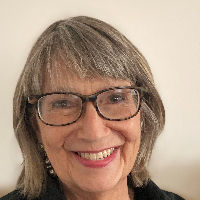
Patricia Manning

Patricia Manning

LPC

Mindfulness-informed counselor focused on resilience

Areas of expertise

Primary focus

Stress, AnxietyFamily conflictsTrauma and abuseParenting issuesSelf esteem

Also works with

Relationship issuesGriefIntimacy-related issuesAnger managementCareer difficultiesDepressionCoping with life changesCompassion fatigueADHD

Additional focus areas

Adoption and foster careAttachment issuesBlended family issuesCaregiver issues and stressCodependencyCoping with natural or human-caused disasterDissociationDivorce and separationDomestic violenceEmptinessFamily problemsForgivenessGuilt and shameIsolation / lonelinessLife purposeMidlife crisisPanic disorder and panic attacksPost-traumatic stressSeasonal Affective Disorder (SAD)Self-harmSelf-loveSexual assault and abuseSocial anxiety and phobiaWomen's issuesWorkplace issuesYoung adult issues

Therapeutic approaches

Attachment-Based TherapyClient-Centered TherapyCognitive Behavioral Therapy (CBT)Dialectical Behavior Therapy (DBT)Eye Movement Desensitization and Reprocessing (EMDR)Mindfulness TherapyNarrative TherapySolution-Focused TherapyTrauma-Focused Therapy

Experience

11+ years

Credentials

South Carolina, Oregon

Languages

English

Licenses listed

  • LPC, South Carolina6060
  • LPC, OregonC5983
  • NPI 1487113593

As listed on the therapist's profile. You can check a license with the state licensing board and an NPI in the national registry.

  • Mindfulness practice
  • Attachment focus
  • Client-centered care

About Patricia

Patricia Manning is a Licensed Professional Counselor (LPC) who emphasizes mindfulness as a foundation for therapy. She offers calm, grounded work to help people manage stress, anxiety, grief, relationship strain, parenting challenges, and life transitions. Patricia writes plainly and meets clients where they are, helping them build skills for day-to-day coping and clearer decision making.

Her background began more than four decades ago while studying psychology and working with children and families affected by violence. She later worked in child protection, permanency planning, adoption services, foster care, residential treatment, psychiatric hospitals, alternative schools, and shelters for those impacted by domestic and sexual violence. Patricia earned a Master of Arts in Mental Health Counseling from Webster University in 2008 and has practiced for 11 years as an LPC.

In sessions she blends approaches to match a person's needs. She uses mindfulness practices alongside attachment-based ideas and client-centered methods. She also draws on cognitive behavioral strategies and dialectical behavior techniques when they fit the situation.

Patricia describes her overall outlook as existential, focusing on life themes such as loss, responsibility, and meaning. That perspective is paired with a biopsychosocial view that considers a person’s life context, including identity and life circumstances. She aims to help people discover resilience and practical ways to move forward.

Her style is engaged and direct when needed. She will support exploration of painful experiences and also challenge patterns that hold people back. Clients who want practical tools and deeper self-understanding may find this approach useful.

How mindfulness and attachment approaches fit online therapy

Mindfulness Therapy helps people notice thoughts and bodily reactions without getting swept away by them; it can be used to reduce reactivity and build steady coping skills for anxiety, stress, or grief. Attachment-Based Therapy looks at patterns from early relationships to understand how people connect now and can help with intimacy issues, family conflict, and trust concerns. Client-Centered Therapy focuses on a warm, accepting therapeutic relationship where the person's goals guide the work and they feel heard and understood.

Choosing the right approach is part of the work. The therapist will talk with each person about goals and preferences and together decide which combination of methods feels most helpful. That collaborative process may shift as the work unfolds and new needs emerge.

Practical benefits of online therapy include easier scheduling and fitting sessions into a busy life, which can help maintain consistency. Online work can also make shorter check-ins possible when time is limited or reduce the need to travel. Confirm the session options available before booking so you know which formats are offered and how they fit your routine.

These summaries are based on the profile information listed on BetterHelp. Listing mindfulness as an approach does not mean a therapist holds a formal mindfulness training or certificate.

Frequently asked questions

What kinds of problems does she help with?

She works with stress, anxiety, depression, trauma and abuse, relationship and intimacy issues, parenting and family concerns, grief, anger, career stress, ADHD, and related life changes.

What is her therapeutic style like?

Her approach is grounded in mindfulness and client-centered conversation. She blends practical skills and reflective work to help people cope and understand patterns that affect their choices.

How long has she been practicing?

She has 11 years of clinical experience as a Licensed Professional Counselor and earlier work with children and families dating back decades.

Where is she licensed to practice?

She holds LPC credentials and is located in Oregon with professional licensure noted as SC LPC and OR LPC in her background.

Can sessions be conducted in other languages?

Sessions are offered in English.

Are international clients accepted?

International clients are not currently accepted.

How does payment and cost work?

Cost varies with location and therapist availability; sessions use a subscription that can be canceled at any time.

How do I begin working with her?

Start by selecting the Start Therapy button, completing a short matching questionnaire, and scheduling according to therapist availability.

Therapists on BetterHelp do not prescribe medication. A doctor can talk with you about medical options. If you are thinking about suicide, call or text 988; in an emergency, call 911.

Patricia ManningContinue with Patricia