Therapist listings are provided by BetterHelp. We will earn a commission at no additional cost to you if you sign up through our links.

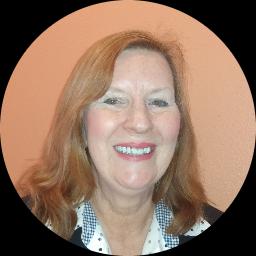
Moriah MacCleod

Moriah MacCleod

LPCC

Mindfulness-focused counselor with broad experience

Areas of expertise

Also works with

AddictionsRelationship issuesFamily conflictsGriefParenting issuesSelf esteemCareer difficultiesCoachingCompassion fatigue

Additional focus areas

AbandonmentAttachment issuesBlended family issuesCaregiver issues and stressCodependencyCommitment issuesCommunication problemsControl issuesCoping with natural or human-caused disasterDivorce and separationDrug and alcohol addictionEmptinessFamily of origin issuesFamily problemsGuilt and shameHospice and end-of-life counselingImpulsivityInfidelityIsolation / lonelinessLife purposeMidlife crisisVeteran and Armed Forces IssuesMoney and financial issuesMood disordersPanic disorder and panic attacksPhobiasPost-traumatic stressProcess addiction (porn, exercise, gambling)Self-loveSexual assault and abuseSocial anxiety and phobiaWomen's issuesWorkplace issues

Therapeutic approaches

Acceptance and Commitment Therapy (ACT)Client-Centered TherapyCognitive Behavioral Therapy (CBT)Emotionally-Focused Therapy (EFT)Eye Movement Desensitization and Reprocessing (EMDR)Gottman MethodMindfulness TherapyMotivational InterviewingNarrative TherapySolution-Focused TherapyTrauma-Focused TherapyInternal Family Systems

Experience

31+ years

Credentials

New Mexico

Languages

English

Licenses listed

As listed on the therapist's profile. You can check a license with the state licensing board and an NPI in the national registry.

  • Mindfulness therapy
  • Stress and anxiety
  • Relationship support

About Moriah

Moriah MacCleod is a licensed professional clinical counselor with 31 years of experience in New Mexico. She centers sessions on mindfulness and respectful listening, believing each person knows their own story and strengths. She aims to support people who are ready to make changes and put tools into practice.

Her approach mixes mindfulness with practical methods. That means learning to notice thoughts and feelings without getting swept away by them. She also draws on acceptance and commitment strategies and client-centered work to focus on what matters most to each person.

Over three decades she has helped people manage stress, anxiety, depression, and trauma. She also supports those working through grief, life transitions, addiction, caregiver strain, and relationship or family conflict. Common themes she addresses include attachment and abandonment concerns, communication problems, guilt, and feelings of emptiness.

Sessions often involve straightforward talk, learning simple skills, and practicing new ways of responding to difficult moments. She uses cognitive behavioral tools when helpful to change unhelpful thinking patterns. Emotionally-focused methods may be used to help people name and work with strong feelings.

Her style is collaborative and down-to-earth. She helps people set clear goals and tries to match methods to each person’s needs. To begin, people complete a short matching questionnaire and schedule sessions based on therapist availability.

How mindfulness and ACT translate to online therapy

Mindfulness Therapy invites simple practices that bring attention to the present moment and decrease reactivity. In sessions this looks like brief guided attention exercises and learning how to notice thoughts and sensations so they have less control. Acceptance and Commitment Therapy (ACT) focuses on clarifying personal values and taking small, value-driven actions even when difficult feelings show up; it often uses mindfulness skills alongside behavioral experiments. Client-Centered Therapy emphasizes a warm, nonjudgmental listening stance that helps people feel heard and draw on their own strengths.

Finding the best approach is part of the work. The therapist will collaborate with each person to decide which methods fit their needs and goals. That might mean blending mindfulness, ACT, CBT, or emotionally-focused techniques based on what helps in real life.

Confirm current session formats before booking, as specific online options are not listed here. Online therapy can make it easier to fit sessions into a busy day, allow shorter check-ins when needed, and remove the need to travel. It also supports using guided exercises and in-the-moment strategies during regular routines, so therapy practices can be tested and adjusted between meetings.

These summaries are based on the profile information listed on BetterHelp. Listing mindfulness as an approach does not mean a therapist holds a formal mindfulness training or certificate.

Frequently asked questions

What concerns can be addressed?

She works with stress, anxiety, depression, trauma and abuse, grief, and life changes, plus addiction, ADHD, relationship and family issues.

What is her therapeutic style like?

The approach is collaborative and grounded in mindfulness. Sessions mix listening, practical skills, and methods from ACT, CBT, and client-centered work.

How much experience does she have?

She has 31 years of professional experience in clinical work in New Mexico.

What credentials and location apply?

She is an LPCC - Licensed Professional Clinical Counselor - practicing in New Mexico.

Which languages are supported?

Sessions are offered in English.

Are international clients accepted?

She does not accept international clients at this time.

How much does therapy cost?

Cost varies with location and therapist availability; sessions use a subscription that can be canceled at any time.

How do I get started?

Select the Start Therapy button, complete a short matching questionnaire, and schedule according to therapist availability.

Therapists on BetterHelp do not prescribe medication. A doctor can talk with you about medical options. If you are thinking about suicide, call or text 988; in an emergency, call 911.

Moriah MacCleodContinue with Moriah