AbandonmentAging and geriatric issuesBDSM, kink, and alternative sex cultureBody imageCaregiver issues and stressCodependencyCommunication problemsDependent personalityDivorce and separationEmptinessFamily of origin issuesFertility issuesFirst responder issuesGuilt and shameHospice and end-of-life counselingIsolation / lonelinessLife purposeMidlife crisisVeteran and Armed Forces IssuesMood disordersMulticultural concernsPanic disorder and panic attacksPolyamory / non-monogamous relationshipsPostpartum depressionPost-traumatic stressPregnancy and childbirthSeasonal Affective Disorder (SAD)Self-loveSexual assault and abuseSocial anxiety and phobiaTraumatic brain injuryWomen's issuesWorkplace issues
Therapeutic approaches
Acceptance and Commitment Therapy (ACT)Client-Centered TherapyCognitive Behavioral Therapy (CBT)Eye Movement Desensitization and Reprocessing (EMDR)Mindfulness TherapySolution-Focused TherapyTrauma-Focused Therapy
As listed on the therapist's profile. You can check a license with the state licensing board and an NPI in the national registry.
Mindfulness approach
Trauma-informed care
Practical skills
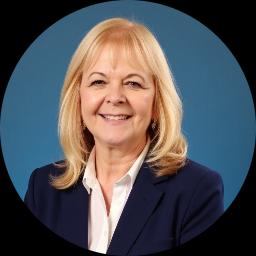
About Marla
Marla Carman uses mindfulness as a core part of her approach to therapy. She combines calm, present-moment practices with practical skills to help people manage stress, anxiety, and relationship strain. Marla is licensed as an LMHC and an LPC and brings 21 years of experience to her work in Arizona.
She focuses on helping people cope with grief, depression, addictions, and trauma and abuse. Marla also addresses issues such as sleep and eating problems, self-esteem, anger, and intimacy-related concerns. Her background includes work with caregiving stress, family of origin issues, and moral injuries that can come from first responder work.
Her clinical approach mixes Mindfulness Therapy with Acceptance and Commitment Therapy and Cognitive Behavioral Therapy. She also uses Client-Centered Therapy and EMDR when appropriate. Sessions typically emphasize practical tools, present-moment awareness, and goal-oriented steps that fit everyday life.
Marla aims to make therapy feel straightforward and usable. She helps people talk through difficult moments, practice new ways of responding, and build habits that reduce reactivity. She supports people facing divorce, fertility struggles, aging concerns, and career transitions.
Her work extends to complex topics like codependency, BDSM and kink issues, hospice and end-of-life counseling, and compassion fatigue. People looking for help with abandonment, dependent personality patterns, or family communication may find her approach helpful.
How Marla’s Approaches Translate to Online Work
Mindfulness Therapy focuses on present-moment awareness and simple breathing or body-based practices to reduce reactivity and calm the mind. It can help with anxiety, sleep problems, and stress by teaching short exercises people can use between sessions.
Acceptance and Commitment Therapy, or ACT, helps people clarify what matters to them and take small, values-driven steps. It pairs well with mindfulness skills and is often used for depression, grief, and life transitions.
Client-Centered Therapy emphasizes a respectful, empathetic relationship where the therapist listens and follows the client’s pace. This approach supports building trust and finding solutions that fit each person’s life.
Finding the right approach is a collaborative process. The therapist will work with each person to identify which methods fit their goals and preferences. Together they decide whether to emphasize mindfulness exercises, ACT strategies, cognitive restructuring, or EMDR elements based on needs and comfort.
If you’re considering online therapy, confirm the specific session formats before booking. Many people appreciate online options because they can fit sessions into a workday, reduce travel time, and use shorter check-ins when schedules are tight. Online work can also make it simpler to practice mindfulness between meetings and bring tools directly into daily routines.
These summaries are based on the profile information listed on BetterHelp. Listing mindfulness as an approach does not mean a therapist holds a formal mindfulness training or certificate.
Frequently asked questions
What concerns can Marla help with?
She supports people facing stress, anxiety, depression, grief, and relationship issues. Additional focus areas include trauma and abuse, addictions, sleep and eating problems, and career or life transitions.
How would you describe her style of therapy?
Her style combines Mindfulness Therapy with practical, action-oriented techniques. Sessions blend present-moment practice with goal-focused steps and skills training.
What kind of experience does she have?
Marla has 21 years of experience in mental health work. Her background includes helping people with trauma, caregiving stress, first responder issues, and complex life changes.
Which credentials and location apply to this therapist?
She holds LMHC and LPC credentials and practices in Arizona. The profile lists her professional credentials as LMHC, LPC.
In what language are sessions offered?
Sessions are offered in English. International clients are not currently accepted.
What session formats are available?
Session formats are not specified here; please confirm current session options before booking to ensure they meet your needs.
How is cost handled for therapy?
Cost varies with location and therapist availability, and sessions use a subscription that can be canceled at any time.
What do I do to begin working with this therapist?
Use the Start Therapy button, complete a short matching questionnaire, and schedule according to therapist availability.
Therapists on BetterHelp do not prescribe medication. A doctor can talk with you about medical options. If you are thinking about suicide, call or text 988; in an emergency, call 911.