Therapist listings are provided by BetterHelp. We will earn a commission at no additional cost to you if you sign up through our links.

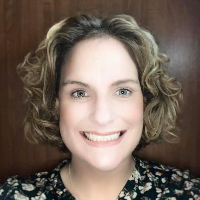
Mallerie Berwick

Mallerie Berwick

LCSW

Calm, practical care for anxious and overwhelmed people

Areas of expertise

Primary focus

Also works with

AddictionsLGBTFamily conflictsCareer difficultiesDepressionCoachingCompassion fatigue

Additional focus areas

Attachment issuesBody imageChronic pain, illness, and disabilityCo-morbidityCodependencyCommitment issuesCommunication problemsDrug and alcohol addictionFamily problemsGuilt and shameImpulsivityIsolation / lonelinessLife purposeObsessions, compulsions, and OCDPanic disorder and panic attacksPhobiasSelf-loveSocial anxiety and phobiaWomen's issuesWorkplace issuesYoung adult issues

Therapeutic approaches

Acceptance and Commitment Therapy (ACT)Attachment-Based TherapyClient-Centered TherapyCognitive Behavioral Therapy (CBT)Emotionally-Focused Therapy (EFT)Mindfulness TherapyMotivational InterviewingPsychodynamic TherapySolution-Focused Therapy

Experience

14+ years

Credentials

California, Texas, Florida

Languages

English

Licenses listed

  • LCSW, California75418
  • LCSW, Texas69324
  • LCSW, FloridaSW20747
  • NPI 1457741266

As listed on the therapist's profile. You can check a license with the state licensing board and an NPI in the national registry.

  • Mindful approaches
  • Values focused
  • Skill oriented

About Mallerie

Mallerie Berwick is a Licensed Clinical Social Worker (LCSW) with 14 years of practice. She draws on experience from schools, substance use treatment settings, and private practice to support people facing anxiety, obsessive thinking, and life transitions. Her style is warm and interactive, and she emphasizes building a trusting relationship in the room.

She uses mindfulness-based practices to help people notice difficult thoughts and feelings without getting swept up in them. She also incorporates Acceptance and Commitment Therapy to help clients clarify their values and take small, meaningful steps toward them. Cognitive Behavioral Therapy tools are used when people need concrete skills to manage anxiety, panic, or obsessive-compulsive patterns.

Mallerie brings experience with substance use challenges, attention-deficit/hyperactivity concerns, and issues around self-esteem and body image. She also works with people facing relationship and communication struggles, codependency, and caregiving or compassion fatigue. Her background includes work with adolescents and young adults, which informs her approach with clients across the lifespan.

Sessions tend to be collaborative and paced to the person's needs. She combines talk-based work with practical exercises, worksheets, and mindfulness practice you can use between sessions. The goal is to help people build sustainable coping habits rather than quick fixes.

To begin, she asks people to share their goals so sessions can be tailored. She supports steady progress through clear steps and check-ins, helping people move toward clearer priorities and more manageable day-to-day coping.

How her approaches translate to online work

Mindfulness Therapy helps people notice bodily sensations and thoughts without reacting to them; it can reduce rumination and make daily stress feel less overwhelming. Acceptance and Commitment Therapy (ACT) focuses on clarifying what matters to you and taking small, values-driven steps even when feelings are hard. Attachment-Based Therapy looks at patterns in relationships and helps people change how they connect and communicate with others.

Choosing the right approach is part of the process. She will work together with each person to match techniques to their goals, preferences, and current difficulties. That means discussing what's most helpful - more skills practice, values work, or relationship-focused exploration - and adjusting as progress is made.

The original biography does not list specific session formats, so confirm available online options before booking. Online therapy can make it easier to fit sessions into a busy life, reduce travel time, allow shorter check-ins when schedules are tight, and let people work on mindfulness or exposure exercises from familiar routines. Licensed professionals can adapt mindfulness, ACT exercises, and cognitive-behavioral tools effectively in remote sessions when those formats are offered.

These summaries are based on the profile information listed on BetterHelp. Listing mindfulness as an approach does not mean a therapist holds a formal mindfulness training or certificate.

Frequently asked questions

What issues does Mallerie address in therapy?

She works with stress, anxiety, depression, ADHD, addictions, relationship and communication problems, self-esteem, and life changes among other concerns listed in her profile.

How would you describe her therapeutic style?

Her style is empathetic and interactive, emphasizing rapport and a collaborative relationship that mixes talk with practical skills and mindfulness work.

What experience does she bring to sessions?

She has 14 years of clinical experience across schools, substance abuse treatment settings, and private practice, which shapes her practical, skill-based approach.

What credentials and region are listed for this therapist?

She is a Licensed Clinical Social Worker (LCSW) with licensure indicated in Texas and Florida and is located in Florida.

Which languages are sessions offered in?

Sessions are offered in English and international clients are not accepted at this time.

What session formats are available?

The original biography does not specify session formats; confirm current session options with the service before booking.

How is cost handled for therapy with her?

Cost varies with location and therapist availability; sessions use a subscription that can be canceled at any time.

How do I start working with this therapist?

Select the Start Therapy button, complete a short matching questionnaire, and schedule according to therapist availability.

Therapists on BetterHelp do not prescribe medication. A doctor can talk with you about medical options. If you are thinking about suicide, call or text 988; in an emergency, call 911.

Mallerie BerwickContinue with Mallerie