AbandonmentAttachment issuesBlended family issuesBody imageCaregiver issues and stressCo-morbidityCodependencyCommitment issuesCommunication problemsControl issuesCoping with natural or human-caused disasterDisruptive Mood Dysregulation Disorder (DMDD)DissociationDivorce and separationDomestic violenceDrug and alcohol addictionEmptinessFamily of origin issuesFamily problemsFertility issuesFirst responder issuesGender dysphoriaGuilt and shameImpulsivityInfidelityIsolation / lonelinessJealousyLife purposeVeteran and Armed Forces IssuesMood disordersObsessions, compulsions, and OCDPanic disorder and panic attacksPhobiasPostpartum depressionPost-traumatic stressPregnancy and childbirthSexual assault and abuseSexualitySocial anxiety and phobiaSomatizationWomen's issuesWorkplace issuesYoung adult issues
Therapeutic approaches
Client-Centered TherapyCognitive Behavioral Therapy (CBT)Dialectical Behavior Therapy (DBT)Eye Movement Desensitization and Reprocessing (EMDR)Mindfulness TherapyMotivational InterviewingPsychodynamic TherapySolution-Focused TherapySomatic TherapyTrauma-Focused Therapy
As listed on the therapist's profile. You can check a license with the state licensing board and an NPI in the national registry.
Mindfulness informed
Goal oriented
Down to earth
About Lindsay
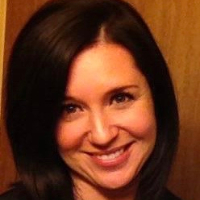
Lindsay Metli is a licensed clinical social worker with 11 years of practice. She guides people toward clear, manageable goals that improve day-to-day well-being. Lindsay aims to create a calm, down-to-earth space where clients can talk about what matters most.
She takes a whole-person view that looks at mind, body, and spirit. That perspective is paired with evidence-informed methods, chosen to fit each person's needs. Sessions focus on practical steps, new skills, and small changes that add up over time.
Lindsay trained at the University of Utah, earning a Bachelor of Science in psychology and a Master of Social Work. She holds LCSW licenses in Utah and Wyoming and brings experience from community mental health, private practice, and psychiatric hospitals. Earlier roles included child welfare work and leading groups in correctional settings.
Her clinical interests include trauma, depression, anxiety, relationship concerns, addictions, and adjusting to major life changes. Additional areas she addresses include attachment and abandonment issues, blended family concerns, caregiver stress, grief, ADHD, body image, and domestic violence. She often combines mindfulness, cognitive-behavioral tools, and skills-based approaches to meet specific needs.
Lindsay also balances family life with a blended household and a young child, and she understands the challenges of juggling responsibilities. She emphasizes collaboration and steady progress, helping people build routines and skills that fit their real lives.
Using Mindfulness and Skills-Based Approaches Online
Mindfulness Therapy helps people notice thoughts and physical sensations without judgment and can reduce reactivity to stress. Client-Centered Therapy focuses on listening and building a trusting, respectful relationship so people feel heard and understood. Cognitive Behavioral Therapy (CBT) teaches practical skills to change unhelpful thinking and behaviors, which can help with anxiety, depression, and coping with major life changes.
Deciding which approach fits best is a shared process. The therapist will talk with the client about goals, preferences, and what feels useful. Together they may try one approach or combine methods to match changing needs over time.
Confirm the specific online session options before booking, as formats are not listed here. Online work can make it easier to fit therapy into a busy schedule, allow shorter check-ins when needed, and reduce travel time. It can also let people practice skills in the contexts where they live and work, and make it simpler to maintain continuity of care during life transitions.
These summaries are based on the profile information listed on BetterHelp. Listing mindfulness as an approach does not mean a therapist holds a formal mindfulness training or certificate.
Frequently asked questions
What kinds of concerns does Lindsay address?
She works with stress, anxiety, depression, trauma and abuse, relationship and intimacy issues, addictions, grief, parenting strain, career concerns, bipolar disorder, and related problems like attachment and body image.
What is her therapeutic style like?
Lindsay uses a whole-person approach and blends practical tools with mindfulness and skills training. Sessions tend to focus on clear goals, coping skills, and small, steady changes.
How much clinical experience does she have?
She has 11 years of experience working in settings such as community mental health, private practice, and psychiatric hospitals, plus earlier child welfare and corrections-related group work.
What are her credentials and where is she licensed?
She is a licensed clinical social worker with LCSW licensure in Utah and Wyoming and trained at the University of Utah with a Master of Social Work.
Which languages are supported for sessions?
Sessions are offered in English.
Does she work with international clients?
She is not currently accepting international clients.
How does cost and payment work?
Fees vary with location and therapist availability, and sessions use a subscription model that can be canceled at any time.
How do I begin if I want to work together?
Click the Start Therapy button, complete a short matching questionnaire, and then schedule sessions based on therapist availability.
Therapists on BetterHelp do not prescribe medication. A doctor can talk with you about medical options. If you are thinking about suicide, call or text 988; in an emergency, call 911.