AbandonmentAdoption and foster careAging and geriatric issuesAntisocial personalityAttachment issuesAutism and Asperger SyndromeAvoidant personalityBlended family issuesBody imageCancerCaregiver issues and stressChronic pain, illness, and disabilityCo-morbidityCodependencyCommitment issuesCommunication problemsControl issuesCoping with natural or human-caused disasterDependent personalityDissociationDivorce and separationDomestic violenceDrug and alcohol addictionEating and food-related issuesEmptinessFamily of origin issuesFamily problemsFatherhood issuesFertility issuesFirst responder issuesForgivenessGuilt and shameHoardingImpulsivityInfidelityIsolation / lonelinessJealousyLife purposeMen's issuesMidlife crisisVeteran and Armed Forces IssuesMoney and financial issuesMood disordersNarcissismObsessions, compulsions, and OCDPanic disorder and panic attacksPersonality disordersPhobiasPostpartum depressionPost-traumatic stressProcess addiction (porn, exercise, gambling)Self-harmSelf-loveSex addictionSexualitySocial anxiety and phobiaWomen's issuesWorkplace issuesYoung adult issues
As listed on the therapist's profile. You can check a license with the state licensing board and an NPI in the national registry.
Mindfulness informed
Strengths based
Goal oriented
About Linda
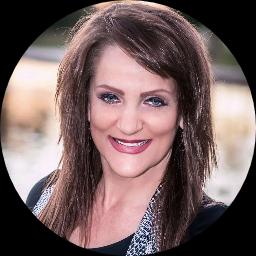
Linda Platt is an Arizona Licensed Professional Counselor (LPC) who helps people manage stress, anxiety, addiction concerns, relationship strain, trauma, and depression. She acknowledges the courage it takes to reach out and focuses on practical steps people can use day to day. Sessions are offered in English and she accepts international clients when arrangements fit both parties.
Linda centers her work on the client's experience and strengths. She listens first, helping people tell their story and identify what feels most urgent. From there she collaborates on small, achievable goals that reduce overwhelm and build confidence over time.
Her approach blends mindfulness practices with attachment-based and client-centered ideas to help people notice patterns and feel more grounded. Cognitive Behavioral Therapy methods are used when useful to change unhelpful thoughts and behaviors. Emotionally-Focused Therapy ideas guide work on connection and emotional expression in relationships.
Linda brings nine years of professional experience in counseling, including running a private practice in Arizona. She keeps language plain and sessions practical so parents and busy adults can apply what they learn quickly. Progress often comes from steady, manageable changes rather than big leaps.
People typically begin by identifying a near-term goal, such as reducing anxiety in specific situations or improving communication with a partner. Linda supports planning small steps, tracking what works, and adjusting the approach as needed so therapy fits into real life.
How Linda’s approaches translate to online work
Linda uses Mindfulness Therapy to help people notice stress and emotional patterns in the moment, often teaching simple breathing and attention practices that can be used between sessions. Attachment-Based Therapy ideas inform how she talks about connection, helping clients understand how past relationships shape current reactions and close bonds.
She also draws on Client-Centered Therapy, which focuses on listening, empathy, and making the session reflect each person's needs. These approaches aim to make sessions feel collaborative so clients can try new ways of responding and report back on what helped.
Finding the right approach is part of the process. The therapist will work together with the client to identify goals, test methods, and adjust plans as needed. This collaborative exploration helps match techniques to the person's life, preferences, and what they want to change.
The biography does not list specific online session formats, so confirm current options before booking. Online work can make it easier to fit counseling into a busy day, cut travel time, and allow shorter check-ins when needed. Licensed professionals can adapt mindfulness exercises, cognitive tools, and emotionally-focused conversations to remote sessions so the work stays practical and focused on everyday change.
These summaries are based on the profile information listed on BetterHelp. Listing mindfulness as an approach does not mean a therapist holds a formal mindfulness training or certificate.
Frequently asked questions
What concerns does Linda commonly help with?
She works with stress, anxiety, addictions, relationship and trauma concerns, depression, grief, parenting strain, ADHD, and related issues such as body image and caregiver stress.
What is her therapeutic style like?
Her style is collaborative and straightforward. She listens first, highlights strengths, and helps people set small, practical goals.
How much clinical experience does she have?
Linda has nine years of professional counseling experience, including time running a private practice in Arizona.
What credentials and location are listed for this therapist?
She holds an LPC credential and practices in Arizona.
Which languages are supported and can she work with international clients?
Sessions are offered in English and she does accept international clients when arrangements are suitable.
What session formats are used for appointments?
The original biography does not specify session formats; please confirm current session options before booking.
How is cost handled for sessions?
Cost varies with location and therapist arrangements; sessions use a subscription that can be canceled at any time.
How do I begin working with her?
Start by selecting the Start Therapy button, complete a short matching questionnaire, and schedule according to therapist availability.
Therapists on BetterHelp do not prescribe medication. A doctor can talk with you about medical options. If you are thinking about suicide, call or text 988; in an emergency, call 911.