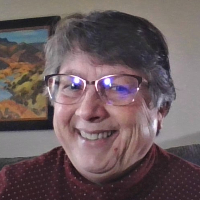
As listed on the therapist's profile. You can check a license with the state licensing board and an NPI in the national registry.
Mindfulness-based care
Practical coping skills
Focus on identity
About Leslie
Leslie Cullen is a Licensed Mental Health Counselor who helps people manage stress, anxiety, depression, grief, and relationship strain. She uses straightforward techniques to help clients notice what is happening now and try small, concrete changes. Her approach is practical and centered on present-moment awareness and problem solving.
With three decades of experience in Washington, she draws on cognitive and behavioral methods to break habits that cause pain. She also brings mindfulness into sessions to help clients slow down, notice thought patterns, and choose different responses. Leslie often combines these tools to make change feel manageable rather than overwhelming.
Leslie has worked with people facing substance use, chronic mental health challenges, and the unique questions that come with gender and sexual orientation. She pays attention to how identity and culture shape what a person needs. That helps her tailor simple strategies that fit each person’s life.
In sessions she focuses on clear goals and small steps. Clients learn ways to calm racing thoughts, improve sleep, and cope with impulsivity or anger. She also supports people dealing with caregiving stress, aging concerns, and serious medical or end-of-life issues.
Her style is direct and compassionate. She invites clients to notice patterns without judgment and to experiment with new behaviors. The emphasis is on practical change, steady progress, and building an objective sense of self that aligns with personal values.
How mindfulness and practical therapies translate online
Leslie often uses mindfulness practices that help people notice thoughts and body sensations in the present moment. Mindfulness techniques can reduce reactivity and support better sleep, stress management, and emotion regulation when practiced regularly.
She also draws on Attachment-Based ideas that look at how early relationships shape expectations and behavior. This approach helps people understand patterns in relationships and work toward healthier ways of connecting.
Her client-centered emphasis means sessions focus on the person’s needs and goals. She will collaborate with each person to choose the right mix of mindfulness, cognitive-behavioral, or attachment-focused work. Finding the best approach is a team effort that adjusts as progress is made.
If you are considering online therapy, confirm which session formats the therapist currently offers before booking. Practical benefits of remote sessions can include easier scheduling around work or caregiving, fewer travel requirements, and the option of shorter check-ins when time is limited. Online work can also make it easier to practice mindfulness skills between appointments and apply new strategies in daily life.
Licensed professionals can help you decide whether online sessions fit your needs and life. The focus remains on clear goals, small experiments, and building routines that support steady improvement.
These summaries are based on the profile information listed on BetterHelp. Listing mindfulness as an approach does not mean a therapist holds a formal mindfulness training or certificate.
Frequently asked questions
What concerns does Leslie help with?
She helps people with stress, anxiety, depression, trauma and abuse, addictions, relationship and intimacy issues, grief, sleep problems, anger, self-esteem, bipolar disorder, ADHD, and coping with life changes, among other concerns.
What is her therapeutic style like?
Her style combines present-focused mindfulness with cognitive and behavioral techniques. Sessions work on noticing thought patterns, practicing new responses, and setting clear, manageable goals.
How much experience does she have?
Leslie has 30 years of clinical experience working with a wide range of mental health and substance use issues.
What credentials and region are listed?
She is a Licensed Mental Health Counselor, listed as WA LMHC, based in Washington.
Which languages are sessions offered in?
Sessions are offered in English.
Are international clients accepted?
International clients are not currently accepted.
How are session formats handled?
Session formats are not specified here; please confirm current session options before booking so you know whether sessions are in person or online.
How much do sessions cost and how does billing work?
Cost varies with location and therapist availability; sessions use a subscription that can be canceled at any time.
Therapists on BetterHelp do not prescribe medication. A doctor can talk with you about medical options. If you are thinking about suicide, call or text 988; in an emergency, call 911.