AbandonmentAdoption and foster careAntisocial personalityAutism and Asperger SyndromeCaregiver issues and stressChronic pain, illness, and disabilityCo-morbidityCodependencyCommunication problemsCoping with natural or human-caused disasterDomestic violenceDrug and alcohol addictionEmptinessFamily of origin issuesFamily problemsFatherhood issuesFirst responder issuesForgivenessGender dysphoriaGuilt and shameHospice and end-of-life counselingInfidelityIntellectual disabilityIsolation / lonelinessJealousyLife purposeMen's issuesVeteran and Armed Forces IssuesMood disordersMulticultural concernsPanic disorder and panic attacksPost-traumatic stressProcess addiction (porn, exercise, gambling)Self-harmSexual assault and abuseSocial anxiety and phobiaTraumatic brain injuryWorkplace issuesYoung adult issues
As listed on the therapist's profile. You can check a license with the state licensing board and an NPI in the national registry.
Mindfulness informed
Skill based
Community oriented
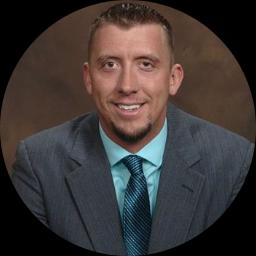
About Kurt
Kurt Ruffley, LCPC, draws on four years of clinical practice and prior service experience to offer straightforward care in Montana. He focuses on helping people manage stress, anxiety, depression, trauma, and parenting challenges. His approach aims to be practical, down-to-earth, and respectful of each person's story.
Kurt blends mindfulness techniques with evidence-informed methods to build emotional awareness and decrease reactivity. Sessions center on learning skills that can be used between meetings, such as breathing practices, grounding exercises, and thought-pattern work. He emphasizes simple, repeatable tools that fit into busy lives.
Sessions include goal-setting and short-term plans when that fits the person’s needs. Therapy can also move into deeper trauma work when someone is ready, using approaches that attend to safety and pacing. Kurt describes his stance as collaborative - he listens first, then offers options tailored to what the person says they need.
Practice priorities include clear communication and making care accessible across Montana. He offers remote options alongside occasional in-person meetings in the Flathead Valley area. This flexibility aims to reduce barriers for people who live farther from clinic hubs.
Kurt also engages in community outreach focused on homelessness, veteran reintegration, and support for young people with trauma histories. That community work informs his clinical perspective and keeps his focus on practical supports and local resources.
How these approaches translate to online therapy
Mindfulness Therapy helps people notice thoughts and bodily sensations without getting swept away by them. It often includes simple breath and grounding practices that can be practiced between sessions to reduce stress and increase emotional awareness.
Cognitive Behavioral Therapy, or CBT, focuses on identifying unhelpful thinking patterns and testing out new behaviors. It is goal-oriented and useful for anxiety, depression, and many daily stressors because it teaches concrete steps to change how someone thinks and acts.
Dialectical Behavior Therapy, DBT, emphasizes emotion regulation, distress tolerance, and clear communication skills. It can be helpful when emotions feel intense or relationships are strained, offering practical strategies for steadying strong reactions.
Finding the right approach is part of the work. The therapist will talk with each person about needs, goals, and preferences, and then suggest which methods to try first. That decision is collaborative and can be adjusted over time based on how things are going.
Online sessions can make it easier to fit therapy into a busy routine. They reduce travel time and let people meet from work breaks, home, or other quieter spots when that suits them. Confirm the current session options before booking so you know how appointments are held and what will fit your schedule.
These summaries are based on the profile information listed on BetterHelp. Listing mindfulness as an approach does not mean a therapist holds a formal mindfulness training or certificate.
Frequently asked questions
What concerns does Kurt help with?
He works with stress, anxiety, depression, trauma and abuse, parenting challenges, and self-esteem issues. Additional focus areas include adoption and foster care, caregiver stress, chronic illness, addiction, and family-origin concerns.
What is his therapeutic style like?
His style is practical and collaborative, combining mindfulness practices with skill teaching. Sessions emphasize tools you can use between meetings and a down-to-earth tone.
How much clinical experience does he have?
He has four years of clinical experience as a licensed clinician. That background is paired with prior military and education experience that shapes his approach.
What credentials and region should I know about?
Kurt holds the LCPC credential and practices in Montana, with occasional in-person work in the Flathead Valley and remote access across rural Montana.
Which languages are supported for sessions?
Sessions are offered in English.
Can international clients schedule with him?
He is not currently accepting international clients.
How are fees and billing handled?
Cost varies with location and therapist availability; sessions use a subscription that can be canceled at any time. Confirm pricing details when you schedule.
What is the first step to begin therapy?
Click the Start Therapy button, complete a short matching questionnaire, and then schedule according to therapist availability. That process connects you and lets you set a first appointment.
Therapists on BetterHelp do not prescribe medication. A doctor can talk with you about medical options. If you are thinking about suicide, call or text 988; in an emergency, call 911.