Therapist listings are provided by BetterHelp. We will earn a commission at no additional cost to you if you sign up through our links.

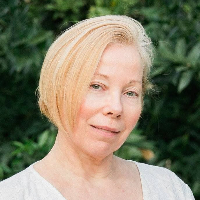
Dr. Kathy Greathouse

Dr. Kathy Greathouse

LMFT

Therapist blending mindfulness and talk therapy

Areas of expertise

Also works with

AddictionsRelationship issuesFamily conflictsTrauma and abuseIntimacy-related issuesEating disordersSleeping disordersParenting issuesCareer difficultiesBipolar disorderDepressionCompassion fatigue

Additional focus areas

AbandonmentAging and geriatric issuesAntisocial personalityAttachment issuesCodependencyCommitment issuesControl issuesEmptinessFatherhood issuesFertility issuesForgivenessGuilt and shameIsolation / lonelinessLife purposeMidlife crisisPanic disorder and panic attacksPostpartum depressionPost-traumatic stressPregnancy and childbirthProcess addiction (porn, exercise, gambling)Seasonal Affective Disorder (SAD)Self-loveSmoking / vaping cessationSocial anxiety and phobiaTraumatic brain injuryWomen's issuesWorkplace issues

Therapeutic approaches

Attachment-Based TherapyClient-Centered TherapyExistential TherapyMindfulness TherapyNarrative TherapySolution-Focused TherapySomatic Therapy

Experience

8+ years

Credentials

California

Languages

English

Licenses listed

As listed on the therapist's profile. You can check a license with the state licensing board and an NPI in the national registry.

  • LMFT
  • Mindfulness-based care
  • Body-aware methods

About Kathy

Dr. Kathy Greathouse is a licensed marriage and family therapist (LMFT) based in California. She blends talk therapy with mindfulness and body-centered practices to help people navigate stress, anxiety, grief, and life changes. Her work emphasizes steady support and practical tools for everyday struggles.

Her sessions combine traditional psychotherapy with mindfulness practices, meditation, breathwork, sound work, and elements drawn from yoga. She uses these tools to help people notice how emotions live in the body and to develop new ways of responding to difficult feelings. The tone is supportive and calm, with attention to each person’s pace.

Dr. Greathouse describes her approach as intuitive and evidence-informed. She adjusts language, interventions, and pacing to fit individual needs rather than following a single blueprint. Clients can expect encouragement, rehearsal of coping skills, and guidance in building routines that ease daily strain.

She draws on several therapeutic approaches, including attachment-based perspectives, client-centered care, narrative work, existential questions, and mindfulness practices. These give several ways to look at challenges such as relationship strain, career transitions, parenting stress, addiction concerns, and depression.

Sessions aim to help people feel more grounded and able to handle life’s setbacks. Her goal is that each person leaves with concrete strategies they can try between meetings and a clearer sense of what matters to them next.

How her approaches translate to online work

Dr. Greathouse integrates mindfulness therapy by guiding present-moment awareness, meditation, and simple breath practices to help reduce reactivity and build calmer attention. Mindfulness work can aid with anxiety, stress, insomnia, and emotion regulation.

She also uses attachment-based ideas to look at how relationships and early patterns affect current habits. That perspective helps when people notice repeated conflicts, trust issues, or struggles with intimacy. Client-centered therapy is another strand, which means the therapist listens closely, follows the client’s lead, and offers reflections rather than directive instructions.

Finding the right approach is a collaborative process. The therapist will talk with the client about goals, preferences, and what feels useful. Together they may try different techniques and adjust the plan based on what helps most.

The biography does not list specific session formats, so confirm available options before booking. Online work can make it easier to fit sessions into a busy week, support steady practice of mindfulness exercises between meetings, and allow shorter check-ins when that fits a schedule. It can also reduce travel time and let people bring brief practices into their daily routines.

These summaries are based on the profile information listed on BetterHelp. Listing mindfulness as an approach does not mean a therapist holds a formal mindfulness training or certificate.

Frequently asked questions

What concerns does she address?

She helps people with stress, anxiety, grief, depression, bipolar disorder, relationship and intimacy issues, addiction, parenting and career concerns, and related life changes.

How would you describe her therapeutic style?

Her style mixes talk therapy with mindfulness, breathwork, meditation, and body-based practices. Sessions aim to be calm, practical, and tailored to each person's needs.

What is her clinical background?

She has eight years of experience working as a therapist and uses a mix of psychotherapy and mindfulness-informed practices to support clients.

What credentials and region are listed?

She is a California licensed marriage and family therapist, listed as LMFT, and practices in California.

Which languages are supported and are international clients possible?

Sessions are offered in English. International clients are not currently accepted.

What session formats are available?

The original biography does not specify session formats. Confirm current session options with the therapist before booking.

How is cost handled for sessions?

Cost varies with location and therapist availability. Sessions use a subscription that can be canceled at any time.

What do I do to begin working together?

Click the Start Therapy button, complete a short matching questionnaire, and then schedule based on the therapist's availability.

Therapists on BetterHelp do not prescribe medication. A doctor can talk with you about medical options. If you are thinking about suicide, call or text 988; in an emergency, call 911.

Dr. Kathy GreathouseContinue with Kathy