- Client-centered approach
- Mindfulness practices
- Practical goal work
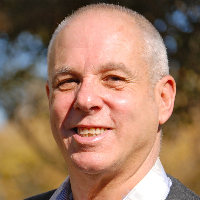
About Gary
Gary Zarchy is a Licensed Professional Counselor (LPC) with 25 years of clinical experience. He centers sessions on the client and offers practical guidance, encouragement, and advocacy to help people reach their goals. He aims to empower clients so they eventually no longer need therapy.
He has extensive experience with substance use concerns, LGBTQIA issues, anxiety, depression, trauma, relationship and communication problems. He also supports people facing grief, career challenges, bipolar disorder, addiction, and caregiver or compassion fatigue. Additional focus areas include aging and geriatric concerns, hospice and end-of-life counseling, and family of origin issues.
He earned a master’s degree from the University of Phoenix and has taught in that university’s counseling department for eighteen years, both in person and online. That teaching experience informs a practical, down-to-earth style in sessions. He uses approaches that help clients build skills and insight over time.
In sessions he draws on client-centered methods alongside cognitive behavioral tools, mindfulness practices, existential questions, and EMDR when appropriate. He also uses motivational interviewing and solution-focused strategies to support change and clarity. He describes his role as guide, educator, and cheerleader while helping clients set and meet goals.
People who work with him can expect straightforward talk, concrete strategies, and a focus on empowering personal growth. He aims for measurable progress and for clients to leave counseling having met their objectives.