As listed on the therapist's profile. You can check a license with the state licensing board and an NPI in the national registry.
Mindfulness-based care
Person-centered approach
Skills for daily life
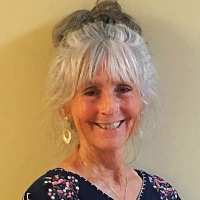
About Elizabeth
Elizabeth Chavez is an LPCC with about 20 years of experience in the mental health field. She built her career in a range of settings, including intensive psychiatric hospitals, correctional facilities, substance treatment centers, and community counseling programs. She greets each person with a straightforward, conversational style and a focus on practical change.
Her work centers on helping people feel better now and learn tools to stay well over time. Sessions are collaborative conversations where the client’s goals guide the process. She listens for strengths, obstacles, fears, and hopes, then tailors the work to the person in front of her.
Clinically, she uses a mix of approaches depending on what a person needs. That can include mindfulness techniques to build present-moment awareness, cognitive behavioral strategies to shift unhelpful thoughts and behaviors, and dialectical skills for emotion regulation and distress tolerance. Client-centered principles shape how she holds the conversation.
Elizabeth has supported people through trauma, grief, depression, anxiety, substance use concerns, life transitions, and existential questions. She also works with a wide range of related issues such as self-esteem, relationship and intimacy concerns, eating and sleeping problems, parenting stress, ADHD, and compassion fatigue.
Her style is practical and respectful. She aims to help people gain useful skills, clearer insight, and steady motivation so they can make choices that fit their life and values.
How her approaches translate to online work
Elizabeth often uses Mindfulness Therapy to help people notice thoughts, body sensations, and emotions without judgment; this can reduce reactivity and improve focus. She also draws on Client-Centered Therapy, which means sessions are guided by the client's concerns and experience rather than a prescriptive agenda. Cognitive Behavioral Therapy (CBT) is another common tool in her work and focuses on identifying unhelpful thinking patterns and trying new behaviors to ease symptoms.
Choosing the right approach is a shared process. She will talk with each person about goals, preferences, and what feels helpful, then try methods that match those needs. Adjustments happen along the way, so the plan can change if something isn’t working.
If you are considering online therapy, confirm the session formats available before booking. Online sessions can make it easier to fit therapy into a busy life, reduce travel time, and allow brief check-ins when a full in-person visit isn’t possible. They also let people use mindfulness or CBT homework between sessions so skills carry into daily routines.
These summaries are based on the profile information listed on BetterHelp. Listing mindfulness as an approach does not mean a therapist holds a formal mindfulness training or certificate.
Frequently asked questions
What concerns does she help with?
She supports people facing stress, anxiety, depression, trauma and substance use issues, plus related concerns like self-esteem, grief, bipolar disorder, and ADHD.
What is her therapy style like?
Her work is conversational and person-centered. She blends mindfulness, CBT, and DBT techniques to teach skills and build insight.
How long has she practiced?
She has about 20 years of experience working in settings such as psychiatric hospitals, correctional facilities, substance treatment centers, and community counseling programs.
Where is she based and licensed?
She is licensed as an LPCC in New Mexico and practices from that region.
Which languages are sessions offered in?
Sessions are offered in English.
Can international clients schedule with her?
International clients are not currently accepted.
How does billing and cost work?
Cost varies with location and therapist availability; sessions use a subscription that can be canceled at any time.
How do I begin therapy with her?
Choose the Start Therapy button, complete a short matching questionnaire, and then schedule based on therapist availability.
Therapists on BetterHelp do not prescribe medication. A doctor can talk with you about medical options. If you are thinking about suicide, call or text 988; in an emergency, call 911.