Therapist listings are provided by BetterHelp. We will earn a commission at no additional cost to you if you sign up through our links.

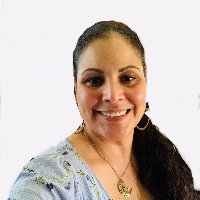
Brenda Wicks

Brenda Wicks

LMFT

Calm, practical therapy for life changes

Areas of expertise

Primary focus

Stress, AnxietyFamily conflictsGriefCareer difficultiesDepression

Also works with

AddictionsLGBTRelationship issuesTrauma and abuseIntimacy-related issuesParenting issuesAnger managementSelf esteemBipolar disorderCoping with life changesCoachingCompassion fatigueADHD

Additional focus areas

AbandonmentAttachment issuesAvoidant personalityBlended family issuesBody imageCaregiver issues and stressCodependencyCommitment issuesCommunication problemsCoping with natural or human-caused disasterDependent personalityDisruptive Mood Dysregulation Disorder (DMDD)Drug and alcohol addictionFamily problemsForgivenessGender dysphoriaGuilt and shameImpulsivityIsolation / lonelinessLife purposeMood disordersMulticultural concernsPanic disorder and panic attacksPost-traumatic stressPrejudice and discriminationSelf-harmSelf-loveSexual assault and abuseSocial anxiety and phobiaWomen's issuesWorkplace issuesYoung adult issues

Therapeutic approaches

Client-Centered TherapyCognitive Behavioral Therapy (CBT)Dialectical Behavior Therapy (DBT)Emotionally-Focused Therapy (EFT)Mindfulness TherapySolution-Focused TherapyTrauma-Focused Therapy

Experience

23+ years

Credentials

California

Languages

English

Licenses listed

As listed on the therapist's profile. You can check a license with the state licensing board and an NPI in the national registry.

  • Mindfulness based
  • Goal focused
  • Warm and interactive

About Brenda

Brenda Wicks is a California-based licensed marriage and family therapist (LMFT) with 23 years of experience. She helps people facing stress, anxiety, grief, depression, addiction, relationship strain, parenting concerns, career questions, and trauma-related struggles. Her manner is warm and interactive, and she aims to make the first steps into counseling feel less overwhelming.

Brenda uses mindfulness and client-centered ways of working to keep sessions grounded and practical. She also draws on cognitive behavioral and dialectical behavior approaches to help people learn new coping skills and change unhelpful thinking patterns. Conversations are tailored to what each person needs rather than a one-size-fits-all program.

Her background includes long experience in community mental health settings and supporting people after violent events. That work informs how she helps clients process traumatic memories and manage strong emotions. Brenda emphasizes respect, dignity, and avoiding stigmatizing labels in every interaction.

In sessions she focuses on clear goals and small, doable steps. Typical work might include learning mindfulness techniques, practicing communication skills, managing mood swings, or building strategies for recovery from substance use. She also supports people dealing with burnout, compassion fatigue, and major life changes.

Brenda invites people to explore their concerns at a pace that feels right for them. She helps set practical goals and checks in on progress. If someone is ready to begin, she guides them through the first scheduling steps and what to expect in early sessions.

Approaches that guide online sessions

Brenda blends mindfulness practice with client-centered care and cognitive behavioral techniques. Mindfulness Therapy focuses on present-moment awareness and simple exercises to reduce reactivity and calm racing thoughts, which can help with anxiety, stress, and coping after loss. Client-Centered Therapy centers the conversation on the person's experience, using warmth and nonjudgmental listening to help people make sense of difficult feelings. Cognitive Behavioral Therapy (CBT) looks at patterns of thought and behavior, teaching practical skills to change unhelpful thinking and build healthier routines.

Finding the right approach is part of the work. Brenda talks with each person about their goals and preferences and then recommends one or a mix of approaches. That collaborative process makes it easier to try techniques and adjust them if something isn’t fitting well.

Confirm current session options before booking to learn which formats are offered. Online therapy can make it simpler to fit counseling into a busy life - it can reduce travel time, allow shorter check-ins during a workday, and make it easier to practice skills between sessions. The focus remains on clear goals, regular progress checks, and using techniques that translate into everyday situations.

These summaries are based on the profile information listed on BetterHelp. Listing mindfulness as an approach does not mean a therapist holds a formal mindfulness training or certificate.

Frequently asked questions

What issues does Brenda commonly address?

She works with a wide range of concerns including stress, anxiety, depression, addictions, grief, relationship and intimacy issues, parenting strain, career stress, bipolar concerns, and trauma-related difficulties.

What is her therapeutic style like?

Her approach is warm, supportive, and interactive. Sessions emphasize practical skills, mindful awareness, and collaborative goal-setting.

How much clinical experience does she have?

Brenda has 23 years of experience in mental health settings, including work supporting people after violent events and in community care roles.

What credentials and where is she based?

She is a licensed marriage and family therapist - LMFT - practicing in California.

Which languages are supported?

Sessions are offered in English.

Can international clients work with her?

She does not accept international clients at this time.

How are fees and payment handled?

Costs vary by location and therapist availability; sessions use a subscription model that can be canceled at any time.

How do I begin working with her?

Start by selecting the Start Therapy button, complete a short matching questionnaire, and then schedule sessions according to the therapist's availability.

Therapists on BetterHelp do not prescribe medication. A doctor can talk with you about medical options. If you are thinking about suicide, call or text 988; in an emergency, call 911.

Brenda WicksContinue with Brenda