Aging and geriatric issuesAntisocial personalityAttachment issuesAvoidant personalityBlended family issuesBody imageCaregiver issues and stressCodependencyCommitment issuesCommunication problemsControl issuesCoping with natural or human-caused disasterDissociationDivorce and separationDomestic violenceDrug and alcohol addictionEmptinessFamily problemsFertility issuesFirst responder issuesForgivenessGuilt and shameHospice and end-of-life counselingImpulsivityInfidelityIntellectual disabilityIsolation / lonelinessLife purposeMen's issuesMidlife crisisVeteran and Armed Forces IssuesMood disordersMulticultural concernsObsessions, compulsions, and OCDPanic disorder and panic attacksPersonality disordersPost-traumatic stressProcess addiction (porn, exercise, gambling)Seasonal Affective Disorder (SAD)Self-harmSelf-loveSexual assault and abuseSocial anxiety and phobiaTraumatic brain injuryWomen's issuesWorkplace issues
Therapeutic approaches
Acceptance and Commitment Therapy (ACT)Client-Centered TherapyCognitive Behavioral Therapy (CBT)Mindfulness TherapyMotivational InterviewingSolution-Focused TherapyTrauma-Focused TherapyInternal Family Systems
As listed on the therapist's profile. You can check a license with the state licensing board and an NPI in the national registry.
About Barbara
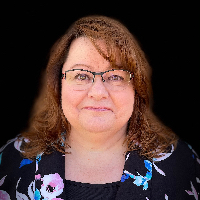
Barbara Parker is a Licensed Professional Counselor (LPC) practicing in Colorado. She has nine years of clinical experience and a background that includes service in the United States Air Force and several years working in an inpatient program with men transitioning from prison to community supervision.
Barbara uses a person-centered stance in sessions. She treats each person as the expert on their life and follows their lead about what to work on. She sees herself as a guide for change, helping people notice unhelpful thoughts and try new actions.
Her approach draws from practical, evidence-informed methods such as mindfulness, Acceptance and Commitment Therapy, and cognitive behavioral techniques. In a typical session she helps people name the problem, notice patterns that keep it going, and practice different ways of responding.
Barbara often focuses on concerns like stress, anxiety, addiction, trauma and grief, sleep problems, parenting strain, anger, self-esteem, and coping with life changes. She also addresses issues people bring from relationship or intimacy challenges and work-related stress or burnout.
She emphasizes collaboration rather than giving advice. Sessions are meant to help people build small, concrete steps they can use between meetings. Barbara aims to support people as they test changes, adjust plans, and track what works for them.
If someone is ready to begin, the usual next step is to select the Start Therapy button, complete a short matching questionnaire, and schedule a first appointment based on the therapist's availability.
Mindful, Practical Approaches for Online Work
Barbara draws on mindfulness practices and Acceptance and Commitment Therapy to help people step back from strong thoughts and connect with what matters to them. Mindfulness techniques focus on simple awareness exercises that reduce reactivity and improve concentration, which can help with stress, anxiety, sleep, and cravings. Acceptance and Commitment Therapy helps people clarify values and take committed action, which is useful for coping with life changes, addiction recovery, and mood concerns.
She also uses Client-Centered Therapy to keep the work collaborative and tailored to each person's goals. That means sessions are shaped by what the person wants to work on, and the therapist works alongside them to test small changes and build skills. Finding the right mix of methods is part of the early work together and will be decided based on the client’s needs and preferences.
The original biography does not list specific online session formats, so confirm current options before booking. Many people find online therapy useful because it can fit into busy schedules, remove travel time, and allow shorter check-ins when needed. Online meetings can make it easier to use mindfulness exercises between sessions and to practice new behaviors in day-to-day life.
These summaries are based on the profile information listed on BetterHelp. Listing mindfulness as an approach does not mean a therapist holds a formal mindfulness training or certificate.
Frequently asked questions
What kinds of problems can be addressed?
Barbara works with a range of concerns including stress, anxiety, addictions, trauma and grief, depression, sleep problems, parenting strain, anger, self-esteem, career issues, ADHD, and coping with life changes.
How would you describe the therapy style?
Her sessions are person-centered and collaborative. She guides people to notice thoughts and try new behaviors rather than giving direct advice.
What is her clinical background?
She has nine years of experience and previously worked in an inpatient program serving men transitioning from prison to community supervision, plus service in the United States Air Force.
What are her credentials and where is she based?
Barbara is a Licensed Professional Counselor (LPC) practicing in Colorado.
Can I work with her in a language other than English?
Sessions are offered in English only.
What session formats are available?
The original biography does not list specific session formats; please confirm current session options before booking.
How are fees handled?
Cost varies with location and therapist availability; sessions use a subscription that can be canceled at any time.
How do I begin working with her?
Use the Start Therapy button, complete a short matching questionnaire, and schedule according to the therapist's availability.
Therapists on BetterHelp do not prescribe medication. A doctor can talk with you about medical options. If you are thinking about suicide, call or text 988; in an emergency, call 911.