Therapist listings are provided by BetterHelp. We will earn a commission at no additional cost to you if you sign up through our links.

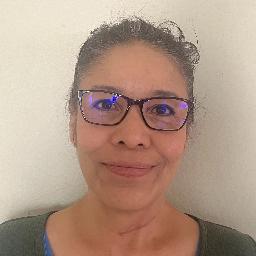
Angela Whitecrane Widdicombe

Angela Whitecrane Widdicombe

LCSW, LMFT

Calm, experienced therapist focused on connection

Areas of expertise

Primary focus

Stress, AnxietyAddictionsRelationship issuesFamily conflictsDepression

Also works with

Additional focus areas

AbandonmentAging and geriatric issuesAttachment issuesBlended family issuesBody imageCaregiver issues and stressCodependencyCommitment issuesCommunication problemsControl issuesCoping with natural or human-caused disasterDivorce and separationDomestic violenceDrug and alcohol addictionEmptinessFamily of origin issuesFamily problemsForgivenessGuilt and shameHoardingHospice and end-of-life counselingImpulsivityInfidelityIntellectual disabilityIsolation / lonelinessJealousyLife purposeMidlife crisisVeteran and Armed Forces IssuesMood disordersMulticultural concernsPanic disorder and panic attacksPost-traumatic stressPrejudice and discriminationSeasonal Affective Disorder (SAD)Self-loveSocial anxiety and phobiaWorkplace issuesYoung adult issues

Therapeutic approaches

Acceptance and Commitment Therapy (ACT)Attachment-Based TherapyClient-Centered TherapyCognitive Behavioral Therapy (CBT)Emotionally-Focused Therapy (EFT)Mindfulness TherapyMotivational InterviewingNarrative TherapySolution-Focused TherapyTrauma-Focused Therapy

Experience

30+ years

Credentials

Montana, Montana

Languages

English

Licenses listed

  • LCSW, MontanaBBH-LCSW-LIC-603
  • LMFT, MontanaBBH-LMFT-LIC-77
  • NPI 1831265420

As listed on the therapist's profile. You can check a license with the state licensing board and an NPI in the national registry.

  • Mindfulness based
  • Relationship focused
  • Practical coping

About Angela

Angela Whitecrane Widdicombe helps people who are worn down by stress, anxiety, depression, grief, addiction, trauma, and relationship strain. She brings calm, steady attention to the hard moments. Angela is a licensed clinical social worker and a licensed marriage and family therapist with three decades of practice in Montana.

She has worked in clinics with people facing homelessness, in foster care systems, and in addiction services. That background shapes how she notices practical barriers and real-life pressure. She speaks plainly about what gets in the way and what can help a person move forward.

Sessions focus on building connection and noticing patterns that cause pain. Angela uses mindfulness work to help people slow down and learn how their thoughts and feelings affect choices. She also draws on Acceptance and Commitment Therapy, Cognitive Behavioral Therapy, attachment-based ideas, and client-centered ways of listening to guide conversations.

People can expect a therapist who listens first and asks questions that clarify what matters to them. Angela aims to help clients recognize small steps that fit into busy lives. She helps people practice new ways of coping without promising specific outcomes.

Her approach suits those who want a steady, relational therapist with experience across trauma, addiction, family concerns, and long-term mood issues. If someone wants to explore whether her style fits their needs, they can begin by following the site's process to connect and schedule.

How her approaches translate to online therapy

Mindfulness Therapy helps people learn to notice thoughts and feelings without being swept away by them; it can be a good fit for stress, anxiety, grief, and ongoing mood challenges. Acceptance and Commitment Therapy (ACT) focuses on clarifying personal values and taking small committed actions, which can help with avoidance, addiction, and life transitions. Attachment-Based Therapy looks at patterns in close relationships and can help people strengthen connection and repair relational hurts.

Finding the right approach is part of the work. Angela will collaborate with each person to see which methods match their goals, needs, and preferences. She listens first, then suggests practices and exercises to try together over time.

The biography does not list specific online session formats, so confirm current options before booking. In general, online therapy can make it easier to fit sessions into a busy life, reduce travel time, and allow focused check-ins during work breaks or from quieter surroundings. Some approaches translate well to shorter check-ins or guided exercises that people can practice between sessions, and the therapist will help plan what makes sense for each person.

These summaries are based on the profile information listed on BetterHelp. Listing mindfulness as an approach does not mean a therapist holds a formal mindfulness training or certificate.

Frequently asked questions

What concerns does she help with?

She supports people wrestling with stress, anxiety, depression, grief, trauma, addiction, relationship and family strain, intimacy issues, self-esteem, bipolar challenges, and compassion fatigue among other concerns.

What is her therapeutic style?

Her style is relational and down-to-earth. She listens closely, uses mindfulness and evidence-informed methods, and helps clients practice small, manageable changes.

How much experience does she have?

She brings 30 years of clinical experience working in social work and therapy settings, including clinics that served people with addiction, foster care populations, and people experiencing homelessness.

What credentials and location are listed?

She holds LCSW and LMFT credentials and practices from Montana.

Which languages and international options are available?

Sessions are offered in English and she accepts international clients.

What session formats are offered?

The original biography does not specify session formats; please confirm current session options before booking.

How does cost work for sessions?

Cost varies with location and therapist availability and sessions use a subscription that can be canceled at any time.

How do I begin working with her?

Use the Start Therapy button, complete a short matching questionnaire, and schedule according to therapist availability.

Therapists on BetterHelp do not prescribe medication. A doctor can talk with you about medical options. If you are thinking about suicide, call or text 988; in an emergency, call 911.

Angela Whitecrane WiddicombeContinue with Angela