Therapist listings are provided by BetterHelp. We will earn a commission at no additional cost to you if you sign up through our links.

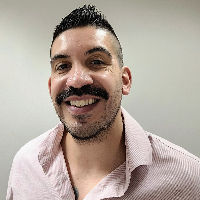
Zachary  Martin

Zachary Martin

LCSW

Mindful, practical therapy for everyday struggles

Areas of expertise

Also works with

AddictionsRelationship issuesGriefIntimacy-related issuesAnger managementCareer difficultiesBipolar disorderCompassion fatigueADHD

Additional focus areas

AbandonmentAdoption and foster careAging and geriatric issuesAttachment issuesCaregiver issues and stressCodependencyCommitment issuesCommunication problemsDissociationDivorce and separationDomestic violenceDrug and alcohol addictionEmptinessFamily of origin issuesFamily problemsForgivenessGuilt and shameHIV / AIDSInfidelityIsolation / lonelinessLife purposeMen's issuesMidlife crisisPostpartum depressionSexual assault and abuseSocial anxiety and phobiaWomen's issuesWorkplace issuesYoung adult issues

Therapeutic approaches

Client-Centered TherapyCognitive Behavioral Therapy (CBT)Existential TherapyMindfulness TherapyMotivational InterviewingNarrative TherapyPsychodynamic TherapySolution-Focused Therapy

Experience

5+ years

Credentials

California

Languages

English

Licenses listed

As listed on the therapist's profile. You can check a license with the state licensing board and an NPI in the national registry.

  • Mindfulness-based care
  • Goal focused steps
  • Calm collaborative style

About Zachary

Zachary Martin is a licensed clinical social worker who brings a calm, direct style to therapy. He uses mindfulness as a core part of sessions to help people manage stress and strong emotions. His approach is practical and down-to-earth, aimed at making therapy feel understandable and doable for everyday life.

He found his way to this work after years supporting adults in residential settings while studying philosophy and psychology. His bachelor of arts in philosophy and a master of social work shape how he thinks about problems and choices. That background informs his use of cognitive behavioral ideas and existential thinking alongside mindfulness.

His early career included foster and adoption services, child welfare investigations, inpatient hospital work, and joining interdisciplinary teams. Those roles exposed him to many pathways into distress and recovery. He has provided outpatient therapy for several years since that time.

In sessions he focuses on clear goals and simple practices. He listens closely and helps people pick small, achievable steps that fit their life. Techniques can include thought awareness, behavioral experiments, motivational interviewing, and narrative work that helps make sense of difficult experiences.

Zachary aims to make the therapy space comfortable so people can speak honestly. From there he collaborates to select interventions that match each person’s needs and strengths. He practices in California as an LCSW and offers treatment shaped by five years of clinical experience.

How mindfulness and practical therapy work online

Mindfulness Therapy uses simple attention and breathing practices to help reduce reactivity and increase self-awareness. It can be useful for stress, anxiety, trauma-related symptoms, and managing strong emotions by teaching people to notice thoughts and feelings without immediately acting on them.

Client-Centered Therapy focuses on listening and understanding the person’s experience. The therapist creates a calm, nonjudgmental space where people can talk through what matters most and set their own goals. Cognitive Behavioral Therapy (CBT) looks at the link between thoughts, feelings, and actions and uses practical exercises to test and change unhelpful patterns.

Finding the right mix of approaches is part of the work. The therapist will collaborate with each person to choose methods that fit their goals, preferences, and daily life. That might mean starting with mindfulness exercises, then adding CBT techniques or motivational interviewing to support behavior change.

If you are considering online therapy, confirm the session formats available before booking. Online sessions can make it easier to fit therapy into a busy schedule, allow shorter check-ins when time is limited, and remove the need to travel to appointments. Licensed professionals can adapt mindfulness practices and CBT exercises to work well over distance while helping people build routines that carry into everyday life.

These summaries are based on the profile information listed on BetterHelp. Listing mindfulness as an approach does not mean a therapist holds a formal mindfulness training or certificate.

Frequently asked questions

What kinds of problems does he help with?

He helps people manage stress, anxiety, depression, trauma and addiction concerns, as well as relationship and career struggles and attention-related issues.

How would you describe his therapy style?

His sessions are calm and practical, combining mindfulness, client-centered listening, and tools from CBT and motivational interviewing to help with day-to-day coping.

What background does he bring to sessions?

He has five years of outpatient experience and earlier work in foster and adoption services, child welfare investigations, and inpatient settings.

Where is he licensed and based?

He is a licensed clinical social worker (LCSW) practicing in California.

Can I work with him if I live outside the United States?

Sessions are offered in English and he is not currently accepting international clients.

What session formats are available?

Please confirm current session options before booking so you know which formats are offered for scheduling.

How are fees handled for sessions?

Cost varies with location and therapist availability; sessions use a subscription model that can be canceled at any time.

How do I begin working with him?

Select the Start Therapy button, complete a short matching questionnaire, and schedule according to therapist availability.

Therapists on BetterHelp do not prescribe medication. A doctor can talk with you about medical options. If you are thinking about suicide, call or text 988; in an emergency, call 911.

Zachary Martin Continue with Zachary