Therapist listings are provided by BetterHelp. We will earn a commission at no additional cost to you if you sign up through our links.

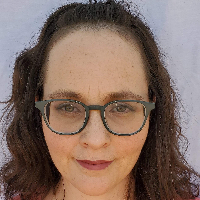
Victoria Cannon

Victoria Cannon

LCSW

Mindful, relationship-focused clinical social worker

Areas of expertise

Primary focus

Also works with

AddictionsFamily conflictsGriefIntimacy-related issuesEating disordersParenting issuesAnger managementSelf esteemCareer difficultiesBipolar disorderCoping with life changesCompassion fatigue

Additional focus areas

AbandonmentAttachment issuesCodependencyCoping with natural or human-caused disasterDissociationEating and food-related issuesFamily of origin issuesFamily problemsFatherhood issuesGuilt and shameMood disordersPanic disorder and panic attacksPostpartum depressionPost-traumatic stressPregnancy and childbirthSexual assault and abuseSomatizationYoung adult issues

Therapeutic approaches

Acceptance and Commitment Therapy (ACT)Attachment-Based TherapyEmotionally-Focused Therapy (EFT)Mindfulness TherapyMotivational InterviewingSomatic TherapyTrauma-Focused Therapy

Experience

13+ years

Credentials

Arizona

Languages

English

Licenses listed

As listed on the therapist's profile. You can check a license with the state licensing board and an NPI in the national registry.

  • Mindfulness and ACT
  • Trauma and attachment
  • Practical coping skills

About Victoria

Victoria Cannon is a licensed clinical social worker with 13 years of practice in Arizona. She helps people find calmer moments in busy lives and work through anxiety, depression, trauma, and relationship struggles. Victoria focuses on practical coping skills and building a steady therapeutic relationship as the base for change.

She pays attention to how past experiences and current situations connect. That helps clients make sense of patterns like attachment wounds, codependency, or reactions to loss. Sessions aim to reduce distress from panic, mood disorders, grief, and compassion fatigue while supporting clearer decision making around career, parenting, and intimacy.

Her approach draws on mindfulness and body-focused techniques alongside therapies that address values and relationships. Victoria uses Acceptance and Commitment Therapy ideas to clarify personal values and encourage actions that matter. She also brings Attachment-Based and Emotionally-Focused methods to help people shift painful patterns in close relationships.

Victoria describes therapy as a collaborative process. She spends time learning each person’s goals, then tailors tools and experiments to fit daily life. This can include breath and awareness practices, brief behavior changes, and guided conversations about boundaries and safety.

Her stated focus areas include trauma and abuse, addictions, eating and food-related issues, pregnancy and childbirth concerns, postpartum depression, and coping with disasters. She also works with issues such as abandonment, dissociation, fatherhood problems, and shame. Victoria uses she/her pronouns in sessions.

How her approaches translate to online work

Victoria uses Mindfulness Therapy to help people build moment-to-moment awareness, reduce reactivity, and practice calm through simple attention and breathing exercises that can be used between sessions. Acceptance and Commitment Therapy (ACT) shows people how to identify what matters to them and take small steps toward those values, which helps with anxiety, depression, and life changes. Attachment-Based approaches focus on understanding patterns in close relationships and learning new ways to connect and feel safer with others.

Finding the right approach is part of the work together. She will help clients try different techniques and decide what fits their needs, goals, and daily routine. That decision is collaborative and may shift as progress is made.

The biography notes messaging-based clients specifically, so confirm the therapist's current session options before booking for other formats. Online therapy can make it easier to fit sessions into a busy week, allow shorter check-ins when needed, and reduce travel time. It also lets people practice skills in the settings where challenges happen and bring those experiences back into sessions for discussion.

These summaries are based on the profile information listed on BetterHelp. Listing mindfulness as an approach does not mean a therapist holds a formal mindfulness training or certificate.

Frequently asked questions

What concerns does Victoria help with?

She supports people managing stress, anxiety, depression, trauma and abuse, relationship and intimacy issues, grief, addictions, and parenting challenges.

How would you describe her therapeutic style?

Her style is collaborative and practical, focusing on building a steady relationship, learning coping skills, and applying mindfulness and values-based exercises to daily life.

What experience does the therapist bring?

She has 13 years of clinical experience working with trauma, mood disorders, and relationship concerns, and emphasizes creating a safe space to try new ways of coping.

What credentials and region are listed?

She is an LCSW - Licensed Clinical Social Worker - practicing in Arizona and holds an AZ LCSW credential.

Which languages are used in sessions and are international clients accepted?

Sessions are offered in English. International clients are not currently accepted.

What session formats are available?

The original biography does not specify session formats beyond messaging-based clients; please confirm current session options before booking.

How does billing and cost work?

Cost varies with location and therapist availability and sessions use a subscription that can be canceled at any time.

How do I begin working with Victoria?

Click the Start Therapy button, complete the short matching questionnaire, and schedule according to the therapist's availability.

Therapists on BetterHelp do not prescribe medication. A doctor can talk with you about medical options. If you are thinking about suicide, call or text 988; in an emergency, call 911.

Victoria CannonContinue with Victoria