Body imageChronic pain, illness, and disabilityGender dysphoriaHoardingHospice and end-of-life counselingImpulsivityJealousyVeteran and Armed Forces IssuesMoney and financial issuesMood disordersMulticultural concernsObsessions, compulsions, and OCDPersonality disordersPrejudice and discriminationSeasonal Affective Disorder (SAD)Sexual assault and abuseWomen's issuesWorkplace issues
As listed on the therapist's profile. You can check a license with the state licensing board and an NPI in the national registry.
Mindfulness informed
Values-based work
Goal focused
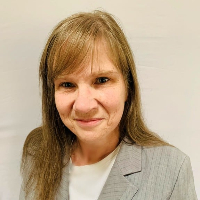
About Tarin
Tarin Bickford is a licensed social worker with thirty years of practice. She holds the Licensed Independent Social Worker (LISW) and Licensed Clinical Social Worker (LCSW) credentials and is based in Oregon. She presents a calm, practical style and aims to help people make steady changes in their daily lives.
Tarin draws on several therapeutic approaches, including mindfulness practices, Acceptance and Commitment Therapy (ACT), and cognitive behavioral strategies. Sessions focus on clear goals and small steps that fit into everyday routines. She emphasizes a respectful, kind relationship as the foundation for work together.
Her background includes long-term clinical experience across a wide range of concerns such as stress, anxiety, addictions, trauma and abuse, grief, depression, relationship and intimacy issues, parenting, ADHD, and coping with life changes. Additional focus areas listed include body image, chronic illness and disability, gender dysphoria, hoarding, hospice and end-of-life care, and mood disorders.
Tarin uses approaches that help people notice patterns, set values-based goals, and practice new skills. She combines structured techniques with a person-centered stance to adapt work to each person’s needs. The aim is practical change rather than labels or tests.
If you want to begin, be prepared to share what matters most and what small steps feel doable. Tarin supports international clients and conducts sessions in English. To start, use the Start Therapy button and complete the short matching questionnaire to schedule according to therapist availability.
How Tarin’s approaches translate to online therapy
Mindfulness-based work helps people notice the present moment and reduce reactivity through simple attention practices. This can help with anxiety, stress, chronic pain, and body image concerns by teaching short exercises to use during the day.
Acceptance and Commitment Therapy (ACT) encourages people to clarify their values and take small, meaningful steps toward them. ACT is useful for depression, grief, mood disorders, and coping with life changes by focusing on action that matters rather than perfect feelings.
Attachment-based ideas look at patterns in close relationships and aim to change how people connect and respond to others. This approach can help with relationship and intimacy struggles and with building safer ways of relating.
Finding the right approach is a collaborative process. The therapist will work with each person to match methods to their goals, needs, and day-to-day life. It is common to try different tools and adjust the plan as work progresses.
The biography does not list specific session formats, so confirm current options before booking. Online work can make it easier to fit therapy into busy schedules, allow shorter check-ins when needed, and remove travel time so sessions are more convenient. Licensed professionals can use these approaches effectively in virtual settings while adapting pacing and exercises to what feels most helpful for each person.
These summaries are based on the profile information listed on BetterHelp. Listing mindfulness as an approach does not mean a therapist holds a formal mindfulness training or certificate.
Frequently asked questions
What kinds of problems does Tarin help with?
She works with many concerns, including stress, anxiety, addictions, trauma and abuse, grief, depression, relationship and intimacy issues, parenting, ADHD, and coping with life changes.
What is her general therapy style?
Tarin blends structured skill work with a kind, respectful therapeutic relationship. Sessions aim for concrete steps and practices you can use between meetings.
How much clinical experience does she have?
She has thirty years of experience as a clinical social worker, drawing on long-term practice across many issues and settings.
What are her credentials and where is she located?
She holds the LISW and LCSW credentials and practices from Oregon.
Can I work with her if I live outside the United States?
She accepts international clients and conducts sessions in English.
What session formats does she offer?
The original biography does not list specific session formats; confirm current session options before booking to know how meetings are held.
How are costs handled?
Cost varies with location and therapist availability; sessions use a subscription that can be canceled at any time.
How do I begin working with her?
Use the Start Therapy button, complete the short matching questionnaire, and schedule according to therapist availability.
Therapists on BetterHelp do not prescribe medication. A doctor can talk with you about medical options. If you are thinking about suicide, call or text 988; in an emergency, call 911.