Therapist listings are provided by BetterHelp. We will earn a commission at no additional cost to you if you sign up through our links.

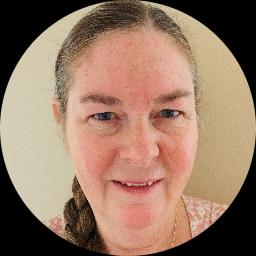
Shannon Flaherty Gibbons

Shannon Flaherty Gibbons

LCSW

Compassionate therapist using mindfulness and practical skills

Areas of expertise

Primary focus

Stress, AnxietyRelationship issuesParenting issuesSelf esteemCoping with life changes

Additional focus areas

AbandonmentAging and geriatric issuesAttachment issuesCancerCaregiver issues and stressChronic pain, illness, and disabilityCodependencyCommunication problemsCoping with natural or human-caused disasterDissociationEating and food-related issuesEmptinessFamily problemsFatherhood issuesFertility issuesForgivenessGuilt and shameHospice and end-of-life counselingIsolation / lonelinessJealousyLife purposeMidlife crisisMoney and financial issuesMood disordersMulticultural concernsPanic disorder and panic attacksPostpartum depressionPost-traumatic stressPregnancy and childbirthPrejudice and discriminationSeasonal Affective Disorder (SAD)Self-loveSocial anxiety and phobiaSomatizationWomen's issuesWorkplace issuesYoung adult issues

Therapeutic approaches

Acceptance and Commitment Therapy (ACT)Attachment-Based TherapyClient-Centered TherapyCognitive Behavioral Therapy (CBT)Dialectical Behavior Therapy (DBT)Emotionally-Focused Therapy (EFT)Mindfulness TherapyNarrative TherapyPsychodynamic TherapySolution-Focused TherapyTrauma-Focused TherapyInternal Family SystemsSystemic Therapy

Experience

26+ years

Credentials

California

Languages

English

Licenses listed

As listed on the therapist's profile. You can check a license with the state licensing board and an NPI in the national registry.

  • Mindfulness informed
  • Values focused work
  • Practical skill building

About Shannon

Shannon Flaherty Gibbons is a Licensed Clinical Social Worker (LCSW) practicing in California with 26 years of experience. She focuses on helping people reduce stress and anxiety, improve self-esteem and motivation, and address relationship and parenting concerns. She aims to make the first step into therapy feel manageable and supportive for someone who may be worried or unsure.

Shannon creates a calm, nonjudgmental space where people can talk through difficult thoughts and feelings. She listens closely and helps clients notice patterns that get in the way of daily life. Sessions are relaxed and grounded in practical work rather than long lectures.

Her approach draws on mindfulness practices to help people be more present with themselves. She also uses Acceptance and Commitment Therapy and Cognitive Behavioral Therapy to identify values, set small goals, and change unhelpful thinking. Attachment-based ideas inform how she looks at relationship patterns and communication.

Shannon has supported people dealing with a wide range of concerns beyond anxiety and parenting. These include abandonment, caregiving stress, chronic illness and pain, eating and body issues, fertility and cancer-related worries, and the emotional effects of aging. She adapts her tools to the problem at hand.

Therapy with Shannon tends to focus on concrete steps you can try between sessions. She helps people build skills for handling strong emotions, improving communication, and making changes that match their values. The work is collaborative and paced to what each person can manage.

Using Mindfulness, ACT, and Attachment Ideas Online

Shannon uses Mindfulness Therapy to help people notice their thoughts and bodily reactions without getting swept away. Mindfulness practices often involve brief attention exercises and learning simple ways to come back to the present when worry or stress spikes.

She also draws on Acceptance and Commitment Therapy (ACT), which focuses on clarifying personal values and taking small, manageable steps toward them. ACT helps with worry, low motivation, and the hard feelings that come with big life changes. Attachment-based approaches are used to look at patterns in relationships and communication, helping people understand why they react a certain way with close others.

Finding the right approach is part of the process. Shannon works collaboratively to choose or combine methods that fit each person's needs, goals, and preferences. She checks in regularly to see what is helping and what should change.

If you are considering online sessions, confirm the specific session options before booking since formats are not listed here. Online work can make it easier to fit therapy into a busy day, allow for shorter check-ins when helpful, and reduce travel time. Many clients find online sessions a practical way to build skills and practice new ways of relating between meetings.

These summaries are based on the profile information listed on BetterHelp. Listing mindfulness as an approach does not mean a therapist holds a formal mindfulness training or certificate.

Frequently asked questions

What kinds of concerns does Shannon address?

She helps people with stress, anxiety, relationship and parenting issues, plus self-esteem and coping with life changes. She also supports people facing caregiving stress, chronic illness, fertility and cancer-related concerns, and other emotional challenges.

What is her general therapy style?

Shannon aims for an open, nonjudgmental space where people can speak honestly. Sessions mix listening with practical exercises and short goals to try between meetings.

How much experience does she have?

She has 26 years of professional experience working with a broad range of emotional and life issues.

What credentials and location are listed?

She is a Licensed Clinical Social Worker, LCSW, licensed in California.

Which languages are supported?

Sessions are offered in English.

Can international clients work with her?

International clients are not currently accepted.

How are sessions charged and what is the cost?

Cost varies with location and therapist scheduling; sessions use a subscription that can be canceled at any time.

How do I begin therapy with her?

Click the Start Therapy button, complete the short matching questionnaire, and then schedule according to the therapist's availability.

Therapists on BetterHelp do not prescribe medication. A doctor can talk with you about medical options. If you are thinking about suicide, call or text 988; in an emergency, call 911.

Shannon Flaherty GibbonsContinue with Shannon