As listed on the therapist's profile. You can check a license with the state licensing board and an NPI in the national registry.
36 years experience
Mindfulness informed
Flexible coaching
About Scott
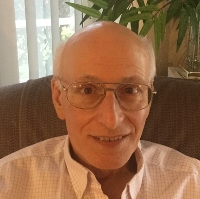
Dr. Scott Anstadt greets readers as a seasoned clinician who focuses on practical help for everyday struggles. He brings 36 years of experience and a calm, straightforward manner to sessions. People turn to him for issues like anxiety, depression, addiction, grief, relationship and intimacy concerns, and help with life transitions.
He blends several approaches to match each person’s needs rather than using one fixed method. Mindfulness Therapy appears among the methods he draws on, along with cognitive behavioral techniques and client-centered work. He also uses attachment-based ideas to understand how relationships shape feelings and behavior.
Dr. Anstadt writes that his style is empathic and direct. He often includes skill-building, short coaching contacts, and flexible scheduling to fit a client’s life. His work can include looking at patterns from family systems, narrative approaches, and existential questions about meaning and purpose.
He has experience teaching at the university level and leading groups as well as individual work. That background informs how he explains concepts and introduces practical tools for everyday use. He mentions an interest in working with older adults and with people facing bereavement and adjustment.
Sessions emphasize thoughtful, deliberate interventions tied to a person’s lifestyle. The aim is to help people use new skills in the settings where they live, work, and relate to others, while offering support that is both reflective and action-oriented.
How mindfulness and ACT can work online
Mindfulness Therapy focuses on building moment-to-moment awareness and simple practices to reduce reactivity and improve attention; it can help with anxiety, stress, grief, and mood concerns by teaching practical breathing and noticing skills. Acceptance and Commitment Therapy, or ACT, helps people clarify values, accept difficult thoughts and feelings, and take small committed steps toward a meaningful life when dealing with depression, avoidance, or life transition. Attachment-Based Therapy looks at how early and current relationships shape feelings and behavior and can be useful for communication problems, intimacy issues, and patterns in close relationships.
Finding the right approach is part of the work. The therapist will collaborate with each person to pick methods that fit their goals, values, and daily life. Sessions often mix listening, skill practice, and real-world exercises so techniques can be tried between meetings.
The original profile highlights an online practice and flexible contacts, but it does not list specific session formats here. Please confirm current online session options before booking. Many people find online sessions let them fit therapy into workdays, reduce travel time, and allow shorter coaching contacts between full sessions. Online work can also make it easier to try mindfulness exercises in the settings where a person lives and works.
These summaries are based on the profile information listed on BetterHelp. Listing mindfulness as an approach does not mean a therapist holds a formal mindfulness training or certificate.
Frequently asked questions
What concerns does this therapist help address?
Common issues listed include stress, anxiety, addictions, grief, depression, trauma and abuse, relationship and intimacy problems, parenting and family concerns, eating and sleeping difficulties, ADHD, bipolar disorder, and related mood concerns.
What is the therapist's general approach in sessions?
The approach is flexible and practical, mixing mindfulness, cognitive behavioral tools, acceptance and commitment elements, attachment ideas, and client-centered listening to match each person's needs.
How much clinical experience does the therapist have?
The clinician has 36 years of professional experience, including teaching clinical courses at the university level and working with individuals, groups, and families.
What credentials and region are associated with this therapist?
Credentials shown are LCSW and LSCSW with licensure in Kansas noted as part of the profile.
Which languages are supported for sessions?
Sessions are offered in English and international clients are accepted.
What session formats are available?
The original biography emphasizes online practice and flexible contacts; confirm the current session format options before booking to be sure they match your needs.
How is cost handled for sessions?
Costs vary by location and therapist availability and sessions use a subscription that can be canceled at any time.
How do I begin working with this clinician?
Begin by selecting the Start Therapy button, completing a short matching questionnaire, and then scheduling according to therapist availability.
Therapists on BetterHelp do not prescribe medication. A doctor can talk with you about medical options. If you are thinking about suicide, call or text 988; in an emergency, call 911.