AbandonmentAging and geriatric issuesAttachment issuesCancerCaregiver issues and stressCodependencyCommitment issuesCommunication problemsCoping with natural or human-caused disasterDivorce and separationFamily of origin issuesFamily problemsFertility issuesFirst responder issuesForgivenessGuilt and shameHospice and end-of-life counselingIsolation / lonelinessJealousyLife purposeMidlife crisisVeteran and Armed Forces IssuesMoney and financial issuesMulticultural concernsPostpartum depressionPregnancy and childbirthPrejudice and discriminationSeasonal Affective Disorder (SAD)Self-loveWomen's issuesWorkplace issuesYoung adult issues
Therapeutic approaches
Acceptance and Commitment Therapy (ACT)Attachment-Based TherapyClient-Centered TherapyCognitive Behavioral Therapy (CBT)Emotionally-Focused Therapy (EFT)Existential TherapyMindfulness TherapyMotivational InterviewingNarrative TherapyPsychodynamic TherapySolution-Focused TherapySomatic TherapyTrauma-Focused TherapyInternal Family Systems
As listed on the therapist's profile. You can check a license with the state licensing board and an NPI in the national registry.
Mindfulness informed
Strengths based
Goal focused
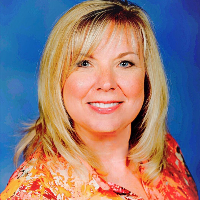
About Phyllis
Dr. Phyllis Mogielski-Watson is a Licensed Professional Counselor with three decades of experience. She helps people coping with stress, anxiety, grief, relationship strain, addictions, ADHD, depression, and major life changes. She guides clients who are struggling with parenting challenges, career decisions, sleep problems, and compassion fatigue. Her work also covers issues related to LGBT concerns, bipolar disorder, and trauma and abuse.
She blends practical tools with a strengths-based, person-centered stance. Sessions focus on hearing each person’s story and building doable goals. Dr. Phyl uses mindfulness ideas to help clients stay present and to reduce reactivity. She also draws on cognitive behavioral skills to change unhelpful thinking patterns.
Acceptance and Commitment Therapy informs her approach to values-based action and flexible coping. Attachment-based work helps when relationship patterns from the past keep showing up now. The therapist encourages concrete action plans alongside reflection about meaning and purpose.
Dr. Phyl practices from Illinois and brings 30 years of experience as an LPC and LPCC. She has worked in many settings and with a wide range of concerns, and she supports people facing health or caregiving stress. Her style is warm, practical, and goal-focused while honoring each person’s lived experience.
People who choose her often want clear steps and compassionate guidance. Her stated motto is Love YOUR Journey - Live YOUR Life. To begin, readers can follow the site’s Start Therapy button to complete a short matching questionnaire and schedule a first appointment.
How Mindfulness, ACT, and Attachment Work Online
Mindfulness Therapy helps people notice thoughts and bodily responses without immediate reaction. It can reduce worrying, improve sleep routines, and make strong emotions easier to notice and respond to. Acceptance and Commitment Therapy, or ACT, focuses on clarifying personal values and taking small actions that align with those values while learning to tolerate difficult feelings. That can help when life changes, grief, or chronic stress feel overwhelming. Attachment-Based Therapy looks at recurring relationship patterns that cause pain now because of earlier connections. Working on those patterns can improve communication and reduce anxiety about closeness.
Finding the right approach is part of therapy. The therapist will collaborate with each person to choose methods that fit their goals and preferences. Sessions often combine ideas from different approaches so the work is practical and tailored rather than rigid.
If you are considering online therapy, check the current session options before booking since formats are not listed in the biography. Online work can make it easier to fit sessions into a busy life, allow shorter check-ins when needed, and avoid travel time. It also permits using mindfulness exercises, values work from ACT, and attachment-focused conversation in the same appointment. The therapist will discuss which tools and session rhythm best fit daily routines and therapeutic goals.
These summaries are based on the profile information listed on BetterHelp. Listing mindfulness as an approach does not mean a therapist holds a formal mindfulness training or certificate.
Frequently asked questions
What concerns does Dr. Phyl commonly address?
She helps people with stress, anxiety, depression, grief, relationship concerns, addictions, ADHD, sleep problems, parenting strain, career issues, bipolar concerns, and trauma and abuse.
What is her therapeutic style like?
Her style is warm and practical. She listens to each person’s story, uses strengths-based and client-centered methods, and works toward clear, doable goals.
How much experience does she have?
She brings 30 years of clinical experience working across many settings and life stages.
What credentials and location apply to this practice?
She holds LPC and LPCC credentials and practices in Illinois.
Which languages are supported and can international clients join?
Sessions are offered in English. International clients are not currently accepted.
What session formats are offered?
Confirm current session options before booking, as formats are not specified in the biography.
How does payment work and what about cost?
Cost varies with location and therapist availability; sessions use a subscription that can be canceled at any time.
How do I begin working with this therapist?
Use the Start Therapy button, complete a short matching questionnaire, and schedule according to therapist availability.
Therapists on BetterHelp do not prescribe medication. A doctor can talk with you about medical options. If you are thinking about suicide, call or text 988; in an emergency, call 911.