Therapist listings are provided by BetterHelp. We will earn a commission at no additional cost to you if you sign up through our links.

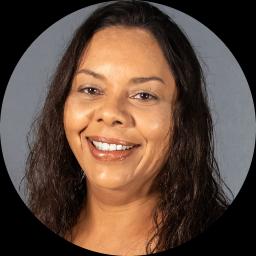
Michelle Evans

Michelle Evans

LPC, LMHC

Compassionate, practical counseling for life challenges

Areas of expertise

Also works with

AddictionsAnger managementCoachingADHD

Additional focus areas

AbandonmentAttachment issuesAvoidant personalityBlended family issuesCaregiver issues and stressCo-morbidityCodependencyCommitment issuesCommunication problemsControl issuesDependent personalityDomestic violenceDrug and alcohol addictionFamily problemsImpulsivityIsolation / lonelinessJealousyLife purposeMidlife crisisMoney and financial issuesMood disordersPanic disorder and panic attacksPersonality disordersPost-traumatic stressSeasonal Affective Disorder (SAD)Self-loveSmoking / vaping cessationSocial anxiety and phobiaWomen's issuesWorkplace issuesYoung adult issues

Therapeutic approaches

Client-Centered TherapyCognitive Behavioral Therapy (CBT)Dialectical Behavior Therapy (DBT)Mindfulness TherapyMotivational InterviewingNarrative TherapySolution-Focused TherapyTrauma-Focused Therapy

Experience

18+ years

Credentials

Missouri, Washington

Languages

English

Licenses listed

  • LPC, Missouri2011002383
  • LMHC, WashingtonLH61604240
  • NPI 1942509591

As listed on the therapist's profile. You can check a license with the state licensing board and an NPI in the national registry.

  • Mindfulness-based care
  • Skills and strategies
  • Collaborative approach

About Michelle

Michelle Evans is a Licensed Professional Counselor (LPC) who helps people manage stress, anxiety, trauma and abuse, low self-esteem, and life transitions. She also supports those facing addictions, anger, ADHD, and related concerns like attachment or codependency. Michelle draws on many approaches and focuses on practical steps you can use between sessions.

Michelle earned a Master of Arts in Counseling from Webster University in 2006 and has 18 years of experience. Her background includes work with adults, children, couples, the foster care system, residential programs, independent living homes, and substance use treatment in both residential and individual settings.

Her style centers on the client. She listens first, then adapts methods to what fits each person. Sessions often include goal setting, skill building, and clear strategies for handling strong emotions or difficult situations.

She commonly uses mindfulness practices to help people notice thoughts and feelings without getting overwhelmed. Cognitive Behavioral Therapy offers tools to change unhelpful thinking patterns. Dialectical Behavior Therapy provides practical emotion-regulation and distress-tolerance skills.

Michelle also uses motivational interviewing to support change when substance use, procrastination, or ambivalence get in the way. Conversations are straightforward and collaborative. The focus is on small, sustainable steps that make daily life feel more manageable.

How her therapeutic methods translate to online work

Michelle often draws on mindfulness, client-centered therapy, and cognitive behavioral therapy in her work. Mindfulness practices focus on simple attention and breathing exercises that help people notice thoughts and calm their reactions, which can be useful for anxiety and stress. Client-centered therapy emphasizes listening and collaboration so clients set the pace and goals for sessions. Cognitive Behavioral Therapy offers concrete tools to identify and change thought patterns that contribute to distress.

Finding the right approach is a shared process. The therapist will talk with each person about goals, preferences, and what feels most helpful. Together they choose strategies and test them in real life, adjusting methods as progress is made.

Confirm current session options before booking so you know what formats are offered. Online therapy can make it easier to fit appointments into a busy week, shorten check-ins, or allow sessions without commuting. It can also make practicing mindfulness exercises and skill-building between sessions more convenient. Speak with the therapist about logistics and how to structure sessions to fit daily routines.

These summaries are based on the profile information listed on BetterHelp. Listing mindfulness as an approach does not mean a therapist holds a formal mindfulness training or certificate.

Frequently asked questions

What concerns does Michelle work with?

She supports people facing stress, anxiety, trauma and abuse, low self-esteem, life changes, addictions, anger, ADHD, and related issues such as attachment, codependency, and communication problems.

What is Michelle's therapy style like?

Her style is client-centered and practical. She listens first, then uses tools like mindfulness, CBT, DBT, and motivational interviewing to fit each person's needs.

How much experience does she have?

Michelle has 18 years of counseling experience. She completed a Master of Arts in Counseling at Webster University in 2006 and has worked in a range of clinical settings.

Which credentials and location are listed?

She is listed as LPC and Licensed Mental Health Counselor (LMHC) with licensure noted in Missouri and Washington as MO LPC and WA LMHC, and she practices out of Missouri.

What languages are supported?

Sessions are offered in English.

Can international clients work with her?

International clients are not currently accepted.

How does payment and cost work?

Cost varies with location and therapist availability. Sessions use a subscription that can be canceled at any time.

How do I begin working with Michelle?

Click the Start Therapy button, complete a short matching questionnaire, and schedule according to the therapist's availability.

Therapists on BetterHelp do not prescribe medication. A doctor can talk with you about medical options. If you are thinking about suicide, call or text 988; in an emergency, call 911.

Michelle EvansContinue with Michelle