Therapist listings are provided by BetterHelp. We will earn a commission at no additional cost to you if you sign up through our links.

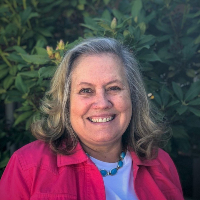
Dr. Mary Moran

Dr. Mary Moran

LCSW

Collaborative, practical therapy with an experienced LCSW

Areas of expertise

Also works with

Relationship issuesFamily conflictsGriefAnger managementSelf esteemCareer difficultiesCoping with life changesCompassion fatigueADHD

Additional focus areas

Adoption and foster careAging and geriatric issuesCaregiver issues and stressCodependencyCommunication problemsDivorce and separationEating and food-related issuesEmptinessFamily of origin issuesFamily problemsHospice and end-of-life counselingIsolation / lonelinessMidlife crisisMood disordersPost-traumatic stressSeasonal Affective Disorder (SAD)Self-harmSelf-loveSexualityWomen's issuesWorkplace issues

Therapeutic approaches

Client-Centered TherapyCognitive Behavioral Therapy (CBT)Gottman MethodMindfulness TherapyMotivational InterviewingNarrative TherapyPsychodynamic TherapySolution-Focused TherapyTrauma-Focused Therapy

Experience

20+ years

Credentials

Washington, Illinois, Missouri, Oregon

Languages

English

Licenses listed

  • LICSW, Washington00009433
  • LCSW, Illinois149027077
  • LCSW, Missouri2024016285
  • LCSW, OregonL15223
  • NPI 1427673045

As listed on the therapist's profile. You can check a license with the state licensing board and an NPI in the national registry.

  • Mindfulness-informed
  • Goal focused
  • 20 years experience

About Mary

Dr. Mary Moran is a licensed clinical social worker with two decades of experience in mental health and substance use treatment. She holds a Ph.D. and has spent many years supervising social workers and mental health counselors. Mary brings a steady, practical approach to therapy and emphasizes working together to set clear goals.

Her background includes training in family systems and feminist theory, and she has recently focused on trauma-informed therapy practices. She draws from several approaches, including Mindfulness Therapy, Client-Centered Therapy, and Cognitive Behavioral Therapy, to tailor work to each person's needs. Sessions typically involve talking through current challenges, noticing thought and behavior patterns, and trying simple skills between meetings.

Mary often helps people dealing with stress, anxiety, depression, grief, addiction concerns, and trauma. She also focuses on issues such as caregiver stress, adoption and foster care concerns, eating and food-related issues, and anger or communication problems. Her approach attends to both personal thoughts and the surrounding environment that affects day-to-day life.

Expect a collaborative style that invites your input. Mary listens for what matters most to you and helps shape practical steps toward the goals you name. She uses straightforward language and concrete exercises rather than technical jargon.

Work with Mary can include addressing relationship strain, midlife transitions, career stress, and compassion fatigue. Her experience supervising clinicians informs a reflective practice that combines clinical knowledge with an emphasis on real-life problem solving.

How Mindfulness and Practical Therapy Work Online

Mindfulness Therapy encourages paying attention to the present moment in a nonjudgmental way. It can help with stress, anxiety, and managing strong emotions by training attention and increasing awareness of bodily sensations and thoughts.

Client-Centered Therapy focuses on the person’s experience and priorities. The therapist listens deeply, reflects what they hear, and helps clients find their own solutions to problems like relationship strain or low self-esteem.

Cognitive Behavioral Therapy (CBT) looks at the links between thoughts, feelings, and actions. It helps people identify unhelpful thinking patterns and try small behavior changes to reduce symptoms of depression, anxiety, and certain mood disorders.

Finding the right mix of approaches is part of the work. The therapist collaborates with each person to choose methods that fit their goals and preferences. That can mean trying a mindfulness practice, using CBT tools, or focusing on conversational, client-centered reflection depending on what feels most useful.

Session formats are not specified in the biography, so confirm current options before booking. Online work can make it easier to fit therapy into a busy life by removing travel time and allowing meetings to happen from different locations. It also lets people use shorter check-ins when needed, reduce time away from work, or avoid being on camera if that helps them engage more fully.

These summaries are based on the profile information listed on BetterHelp. Listing mindfulness as an approach does not mean a therapist holds a formal mindfulness training or certificate.

Frequently asked questions

What kinds of concerns does Mary work with?

She supports people facing stress, anxiety, depression, grief, addictions, trauma, and relationship problems, among other issues listed in her specialties.

How would you describe her therapeutic style?

Her style is collaborative and practical. Sessions focus on setting goals, noticing thoughts and behaviors, and practicing simple skills between meetings.

What is her clinical background?

Mary has 20 years of experience in mental health and substance use treatment and has supervised clinicians for more than 12 years.

What credentials and location are listed?

She is an LCSW and is licensed in Illinois and Missouri as noted; she practices in Washington.

Which languages are supported and are international clients accepted?

Sessions are offered in English. International clients are not currently accepted.

What session formats are available?

Session formats are not specified in the biography; please confirm current session options before booking.

How does pricing work for sessions?

Cost varies with location and therapist arrangements; sessions use a subscription that can be canceled at any time.

How do I begin working with Mary?

Select the Start Therapy button, complete a short matching questionnaire, and schedule according to therapist availability.

Therapists on BetterHelp do not prescribe medication. A doctor can talk with you about medical options. If you are thinking about suicide, call or text 988; in an emergency, call 911.

Dr. Mary MoranContinue with Mary