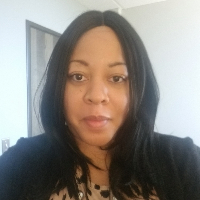
As listed on the therapist's profile. You can check a license with the state licensing board and an NPI in the national registry.
Mindfulness informed
Collaborative approach
Practical skills
About Latasha
Latasha Shannon is a licensed clinical social worker with 19 years of experience helping people manage hard moments in life. She practices in Michigan and draws on a blend of practical methods to support emotional healing and day-to-day coping. Latasha aims to create a calm, respectful space where people can talk through what matters most to them.
Her work focuses on common concerns such as anxiety, depression, trauma and addiction. She also helps with relationship struggles, grief, anger, self-esteem, career stress, and major life transitions. Latasha pays attention to how culture and personal history shape each person's experience.
In sessions she uses approaches that include mindfulness exercises, client-centered listening, cognitive behavioral techniques, and skills from dialectical behavior therapy. She mixes methods to suit the individual rather than following a single script. The result is a practical plan you can try between meetings.
People meet her for short-term problem solving and longer work on deep patterns. She emphasizes small, realistic changes that add up over time. Conversations cover thoughts, feelings, behavior, and specific actions to test between appointments.
Latasha holds LMSW and LCSW credentials and brings a compassionate, steady style to her work. She asks questions, reflects what she hears, and collaborates on goals so clients feel involved in each step.
How therapeutic approaches translate to online work
Mindfulness Therapy helps people slow down, notice their thoughts and bodily sensations, and reduce reactivity through simple exercises. It can be useful for anxiety, stress, and building tolerance for strong emotions.
Client-Centered Therapy centers conversations on the person's experience and priorities. The therapist listens reflectively and asks questions to clarify goals and values, helping people feel heard and make their own choices.
Cognitive Behavioral Therapy, or CBT, focuses on identifying unhelpful thinking and testing new behaviors. It is often used for anxiety, depression, and patterns that get in the way of daily functioning.
Finding the right approach is part of the work. The therapist will discuss goals and preferences and try methods that fit the client's needs. This collaborative process means techniques can be adjusted over time based on what helps.
Confirm available session options before booking since formats are not specified here. Online therapy can make it easier to fit meetings into a busy week, reduce travel time, or allow a shorter check-in when time is limited. Talk with the therapist about practical needs and scheduling so sessions fit into everyday life.
These summaries are based on the profile information listed on BetterHelp. Listing mindfulness as an approach does not mean a therapist holds a formal mindfulness training or certificate.
Frequently asked questions
What kinds of concerns does Latasha help with?
She works with stress, anxiety, depression, trauma, addictions, mood disorders, relationship and family issues, grief, anger, self-esteem, career concerns, and coping with life changes.
What is her style and therapeutic approach?
She blends mindfulness, client-centered listening, cognitive behavioral tools, and dialectical behavior skills to create a practical, collaborative plan tailored to each person.
How much experience does she have?
She has 19 years of clinical experience working with a wide range of emotional and behavioral concerns.
Where is she based and what are her credentials?
She practices in Michigan and holds LMSW and LCSW credentials.
Which languages are supported for sessions?
Sessions are offered in English.
Can international clients work with her?
She does not work with international clients at this time.
How does billing and cost work?
Cost varies with location and therapist availability; sessions use a subscription that can be canceled at any time.
How do I begin working with her?
Choose the Start Therapy button, complete the short matching questionnaire, and then schedule sessions according to the therapist's availability.
Therapists on BetterHelp do not prescribe medication. A doctor can talk with you about medical options. If you are thinking about suicide, call or text 988; in an emergency, call 911.