Therapist listings are provided by BetterHelp. We will earn a commission at no additional cost to you if you sign up through our links.

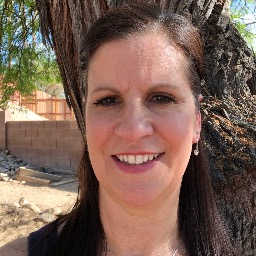
Katharine Childress

Katharine Childress

LPC

Mindfulness-informed counselor with practical focus

Areas of expertise

Primary focus

Stress, AnxietyRelationship issuesFamily conflictsParenting issuesDepression

Also works with

AddictionsLGBTTrauma and abuseGriefIntimacy-related issuesSleeping disordersAnger managementSelf esteemBipolar disorderCoping with life changesCompassion fatigue

Additional focus areas

Adoption and foster careBlended family issuesCaregiver issues and stressCommunication problemsControl issuesDivorce and separationDomestic violenceDrug and alcohol addictionFamily problemsForgivenessGuilt and shameImpulsivityLife purposeMood disordersPanic disorder and panic attacksPost-traumatic stressSelf-harmSelf-loveSocial anxiety and phobiaWomen's issues

Therapeutic approaches

Acceptance and Commitment Therapy (ACT)Client-Centered TherapyCognitive Behavioral Therapy (CBT)Mindfulness TherapyMotivational InterviewingSolution-Focused Therapy

Experience

25+ years

Credentials

Arizona

Languages

English

Licenses listed

As listed on the therapist's profile. You can check a license with the state licensing board and an NPI in the national registry.

  • Mind-body connection
  • Goal focused care
  • Practical coping skills

About Katharine

Katharine Childress is a Licensed Professional Counselor with 25 years of experience. She focuses on practical strategies that help people notice patterns and change what isn’t working. Her style centers on mindfulness and paying attention to the mind-body connection to reduce stress and improve daily functioning.

Katharine uses client-centered methods to keep the person’s goals front and center. She also draws on cognitive behavioral tools to help people challenge unhelpful thoughts and try new behaviors. Sessions are aimed at small, achievable steps so progress shows up quickly and feels manageable.

She has worked in a range of settings, including outpatient services, group homes, and crisis care. That experience informs how she helps people cope with anxiety, depression, mood instability, panic, grief, and relationship strain. She also supports people dealing with addiction, anger, sleep problems, and compassion fatigue.

Her additional focus includes adoption and foster care issues, blended family challenges, caregiver stress, communication problems, control issues, and divorce or separation concerns. She also addresses issues like guilt, shame, impulsivity, and questions about life purpose.

Clients can expect a straightforward, collaborative approach. Katharine helps set realistic goals, breaks them into small steps, and uses mindfulness and cognitive strategies to build new habits. She aims to make therapy practical and usable in everyday life.

How mindfulness and ACT translate to online care

Mindfulness Therapy helps people notice thoughts, feelings, and body sensations without getting pulled into them. It is useful for stress, anxiety, sleep troubles, and improving emotional awareness. Acceptance and Commitment Therapy (ACT) focuses on clarifying values and taking committed steps toward them while learning to live with uncomfortable thoughts and feelings. This approach often helps with life transitions, depression, and avoidance patterns. Client-Centered Therapy emphasizes the person’s own goals and pace, offering a supportive space to explore concerns and make practical changes.

Finding the right approach is part of the work. The therapist will talk with each person about their goals, preferences, and daily life to find the best fit. Together they decide whether mindfulness practices, ACT strategies, or client-centered conversations will be most helpful and how to blend these methods.

Confirm current session options before booking, as formats are not listed here. Online therapy can make it easier to fit sessions into a busy week, reduce travel time, and allow shorter check-ins when needed. It also lets people practice mindfulness and behavior change in the settings where they live and work, so skills carry over into everyday routines.

These summaries are based on the profile information listed on BetterHelp. Listing mindfulness as an approach does not mean a therapist holds a formal mindfulness training or certificate.

Frequently asked questions

What concerns does Katharine commonly help with?

She helps people manage stress, anxiety, depression, relationship and family issues, addictions, trauma, grief, sleep problems, anger, self-esteem, bipolar and panic symptoms, and life changes.

What is her therapeutic style like?

Her style is client-centered and collaborative, emphasizing mindfulness and noticing the mind-body connection while using practical cognitive tools and solution-focused steps.

What kind of experience does she have?

She has 25 years of clinical experience working in outpatient care, group homes, crisis settings, and with individuals navigating family and relationship challenges.

Where is she licensed and based?

She is a Licensed Professional Counselor (LPC) practicing in Arizona.

Which languages are offered for sessions?

Sessions are offered in English.

Can international clients work with her?

International clients are not accepted at this time.

How are sessions priced?

Cost varies with location and therapist availability; sessions use a subscription model that can be canceled at any time.

How do I begin working with her?

Click the Start Therapy button, complete the short matching questionnaire, and schedule appointments based on the therapist's availability.

Therapists on BetterHelp do not prescribe medication. A doctor can talk with you about medical options. If you are thinking about suicide, call or text 988; in an emergency, call 911.

Katharine ChildressContinue with Katharine