Therapist listings are provided by BetterHelp. We will earn a commission at no additional cost to you if you sign up through our links.

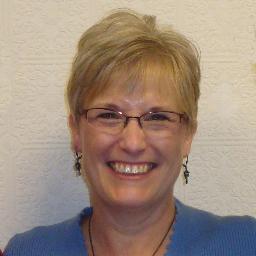
Karen Bludorn

Karen Bludorn

LCSW

Mindful, practical therapy for everyday life

Areas of expertise

Primary focus

Also works with

Relationship issuesFamily conflictsGriefIntimacy-related issuesParenting issuesSelf esteemBipolar disorderCoping with life changes

Additional focus areas

Aging and geriatric issuesAttachment issuesChronic pain, illness, and disabilityCommunication problemsControl issuesDomestic violenceDrug and alcohol addictionFamily of origin issuesForgivenessGuilt and shameLife purposeMood disordersPanic disorder and panic attacksPersonality disordersPost-traumatic stressProcess addiction (porn, exercise, gambling)Seasonal Affective Disorder (SAD)Social anxiety and phobiaWomen's issuesYoung adult issues

Therapeutic approaches

Acceptance and Commitment Therapy (ACT)Attachment-Based TherapyClient-Centered TherapyCognitive Behavioral Therapy (CBT)Dialectical Behavior Therapy (DBT)Emotionally-Focused Therapy (EFT)Gottman MethodMindfulness TherapyMotivational InterviewingSolution-Focused TherapyTrauma-Focused Therapy

Experience

14+ years

Credentials

Arizona, Utah

Languages

English

Licenses listed

  • LCSW, ArizonaLCSW-15634
  • LCSW, Utah9201966-3501
  • NPI 1245612480

As listed on the therapist's profile. You can check a license with the state licensing board and an NPI in the national registry.

  • Mindfulness based
  • Client centered
  • Skill focused

About Karen

Karen Bludorn is a Licensed Clinical Social Worker (LCSW) based in Arizona. She focuses on helping people manage stress, anxiety, depression, and addiction using a practical, person-centered style. Her approach is calm and straightforward, aimed at making therapy feel doable for busy lives.

She offers individual counseling that looks at the whole person - mental, emotional, social, spiritual, and physical needs. Sessions are collaborative: clients talk about what matters most, set realistic goals, and practice skills between meetings. Mindfulness techniques are part of her toolkit to help people notice thoughts and feelings without getting overwhelmed.

With 14 years of experience, she has worked in a range of counseling settings and with many kinds of concerns. She draws on Acceptance and Commitment Therapy, cognitive behavioral techniques, attachment-based ideas, and client-centered methods to tailor the work to each person. Dialectical behavior tools and trauma-informed care are used when helpful.

She is comfortable addressing difficult topics such as trauma, negative self-talk, identity struggles, mood instability, and substance use. Karen aims to create an accepting atmosphere where people feel heard and validated. She focuses on practical changes that lead to more steadiness in daily life.

People who choose her can expect clear explanations of methods, simple exercises to try between sessions, and steady support while they work through grief, relationship concerns, parenting stress, or life transitions.

How mindfulness and ACT shape online sessions

Mindfulness Therapy helps people notice their thoughts and body sensations without getting pulled into them. It can ease anxiety, reduce reactivity, and make daily routines feel more manageable. Acceptance and Commitment Therapy (ACT) focuses on clarifying values and taking small, meaningful actions even when feelings are difficult; it is useful for depression, worry, and life transitions. Attachment-Based ideas look at how early relationships affect current connections and can guide work on intimacy and communication challenges.

Finding the right mix of methods is part of the process. The therapist will work with each person to choose approaches that match their needs, goals, and preferences. Clients often try a few techniques to see what fits, and decisions are made together in session.

Practical benefits of online therapy include easier scheduling and fitting sessions into a busy life. Online options can reduce travel time and help people keep continuity during life changes. Because the original biography specifies individual counseling, confirm the available online session formats before booking to ensure they fit your situation. Licensed professionals can adapt mindfulness and ACT exercises for remote work so clients practice skills between meetings and build steady routines.

These summaries are based on the profile information listed on BetterHelp. Listing mindfulness as an approach does not mean a therapist holds a formal mindfulness training or certificate.

Frequently asked questions

What kinds of problems does she address?

She helps people with stress, anxiety, depression, addiction, trauma, anger, grief, relationship concerns, parenting strain, low self-esteem, bipolar symptoms, and coping with life changes.

What is her therapeutic style like?

She uses a gentle, client-centered style that combines mindfulness with practical skills. Sessions focus on real-life strategies and paced emotional work.

How much experience does she have?

She has 14 years of experience working in a variety of counseling settings with a wide range of concerns.

What credentials and location are listed?

She is a Licensed Clinical Social Worker, LCSW, licensed in Arizona and Utah and based in Arizona.

Which languages are supported and can she see international clients?

Sessions are offered in English. She is not currently accepting international clients.

What session formats are offered?

The original biography lists individual counseling. Confirm current session formats and delivery options before booking to make sure they fit your needs.

How does pricing or payment work?

Cost varies with location and therapist availability; sessions use a subscription model that can be canceled at any time.

How do I start working with her?

Choose the Start Therapy button, complete a short matching questionnaire, and schedule according to the therapist's availability.

Therapists on BetterHelp do not prescribe medication. A doctor can talk with you about medical options. If you are thinking about suicide, call or text 988; in an emergency, call 911.

Karen BludornContinue with Karen