- Mindfulness approach
- Person-centered work
- Practical coping skills
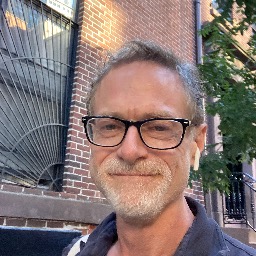
About Graham
Graham Harriman is a licensed professional counselor (LPC) with 14 years of clinical work. He combines mindfulness and mind/body awareness with a person-centered, existential stance. He brings a practical, down-to-earth style to conversations about relationship to self and connection with others.
Graham uses mindfulness to help people notice difficult feelings and bodily signals without getting overwhelmed. He also draws on client-centered practices that center the person’s own goals and experience. His work includes elements from dialectical behavior therapy and motivational interviewing to help with coping and change.
His background includes roles as a mental health therapist, program manager, and public health program director. He has experience planning community services and working with people affected by HIV and other medical and social challenges. Graham coauthored a book titled The Healing Power of Community: Mutual Aid, AIDS, and Social Transformation in Psychology.
Graham’s clinical interests include addictions, sexuality and LGBTQ concerns, intimacy issues, trauma and abuse, depression, anxiety, grief, sleep problems, anger, self-esteem, ADHD, and career or life transitions. He also notes additional focus areas such as aging and geriatric issues, cancer, hospice and end-of-life concerns, and multicultural issues.
He practices in Oregon and offers sessions in English. If someone wants to begin, they choose the Start Therapy button, complete a short matching questionnaire, and schedule according to his availability. The subscription used for sessions can be canceled at any time.