- Client-centered care
- Mindfulness methods
- Goal-focused plans
About Daniel
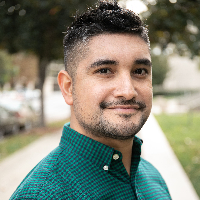
Daniel Romo is a Licensed Marriage and Family Therapist (LMFT) who helps people who are coping with stress, anxiety, relationship problems, trauma and abuse, parenting challenges, depression, grief, and self-esteem concerns. He also supports people facing career stress, intimacy-related issues, compassion fatigue, and major life changes. Daniel writes and talks plainly so people can feel heard and start making small changes that matter.
Daniel grew up in Southern California and completed a bachelor’s degree in psychology at California State University Fullerton. He earned a Master of Marriage and Family Therapy with a specialization in trauma and Latinx studies from Pacific Oaks College. His early work included school-based services and designated instructional support in the Pasadena area beginning in 2015.
Before becoming a therapist he worked with at-risk youth in residential care, teaching life skills and helping improve cognitive and behavioral functioning. That work shaped his focus on practical goals and clear steps people can use outside of sessions. Over the past decade he has provided individual, family, and group counseling in community and nonprofit settings.
Daniel uses a client-centered approach that respects cultural background and personal limits. He draws from Cognitive Behavioral Therapy, Mindfulness Therapy, motivational interviewing, solution-focused techniques, and trauma-focused practices to build individualized plans. Sessions emphasize goal setting, skill practice, and steady progress.
He has experience assisting people with adoption and foster care concerns, attachment and blended family issues, caregiver stress, codependency, communication problems, divorce and separation, fatherhood challenges, guilt and shame, impulsivity, and infidelity. Daniel aims to help each person feel that they matter and to work toward realistic, meaningful change.