As listed on the therapist's profile. You can check a license with the state licensing board and an NPI in the national registry.
Client-centered approach
Mindfulness-based methods
Practical between-session work
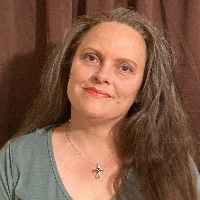
About Cynthia
Cynthia Mickel is a Licensed Professional Counselor (LPC) with 20 years of experience helping people navigate stress, anxiety, addiction, trauma, grief, and major life changes. She practices from a client-centered view and begins by meeting each person where they are. Cynthia aims to be approachable and down-to-earth so people feel comfortable talking about hard things.
She emphasizes practical work that connects the therapy room to daily life. Sessions often include simple experiments or exercises to try between meetings so people can test new ways of coping. Cynthia encourages clients to build on their own strengths and to learn by doing rather than depending on others to fix problems for them.
Her background includes long-term work in substance use treatment and leadership roles in clinical settings. That experience informs her approach to addiction, co-occurring concerns, and trauma. She has led adolescent programs and worked with a range of mood and anxiety diagnoses.
Cynthia combines several evidence-based methods in sessions. She draws on Mindfulness Therapy, Acceptance and Commitment Therapy (ACT), cognitive behavioral techniques, Dialectical Behavior Therapy (DBT) skills, and a client-centered style to adapt to each person’s needs. The goal is practical change, clearer choices, and reduced distress.
She conducts therapy remotely from Texas and speaks English. People who want to try short, practical steps between sessions may find her approach helpful. To begin, prospective clients complete a brief matching questionnaire and schedule based on availability.
How Cynthia’s Approaches Translate to Online Therapy
Mindfulness Therapy focuses on present-moment awareness and slowing down unhelpful reactions. Online sessions can guide simple mindfulness practices and teach ways to notice thoughts and sensations that fuel stress or anxiety.
Acceptance and Commitment Therapy (ACT) helps people clarify values and take committed steps toward them, even when tough feelings show up. In remote work this often looks like short values-based exercises and behavioral experiments between sessions to track small changes.
A client-centered stance means the therapist follows the person's lead and adapts tools to fit their life. Cynthia works collaboratively to decide which approach or mix of techniques will suit each person’s needs and goals.
Because she practices virtually, online therapy can make it easier to fit sessions into a busy week. Practical benefits include reduced travel time, simpler scheduling around work or family commitments, and the ability to try real-life experiments in the environment where problems occur. The biography states she works remotely, but it does not list all supported session types. Confirm current session options before booking so you know which formats are offered.
These summaries are based on the profile information listed on BetterHelp. Listing mindfulness as an approach does not mean a therapist holds a formal mindfulness training or certificate.
Frequently asked questions
What kinds of problems does she help with?
Cynthia helps with stress, anxiety, addictions, trauma and abuse, grief, self-esteem, intimacy concerns, parenting strain, anger, bipolar mood struggles, depression, and coping with life changes.
How would you describe her therapeutic style?
She uses a client-centered style that starts where a person is and focuses on practical steps. Sessions blend Mindfulness Therapy, ACT, CBT, and DBT skills as useful for each person.
What experience does she bring to sessions?
She has 20 years in the field, including clinical supervision and leadership roles in substance use treatment and adolescent programming.
What credentials and location should I know about?
She is a Licensed Professional Counselor (LPC) with licensure in Arizona and Texas and practices from Texas.
Can people who live outside the United States work with her?
Sessions are offered in English and she accepts international clients.
What session formats are available?
The original biography indicates she works virtually and remotely. Confirm current session format options before booking to match your needs.
How does payment and cost work?
Cost varies with location and therapist availability; sessions use a subscription that can be canceled at any time.
How do I begin if I want to work with her?
Select the Start Therapy button, complete a short matching questionnaire, and schedule according to the therapist's availability.
Therapists on BetterHelp do not prescribe medication. A doctor can talk with you about medical options. If you are thinking about suicide, call or text 988; in an emergency, call 911.