AbandonmentAdoption and foster careAttachment issuesBlended family issuesBody imageCaregiver issues and stressCommitment issuesCommunication problemsDivorce and separationDomestic violenceDrug and alcohol addictionEating and food-related issuesGender dysphoriaGuilt and shameHIV / AIDSHospice and end-of-life counselingImpulsivityLife purposeMoney and financial issuesMood disordersPanic disorder and panic attacksParanoiaPersonality disordersPost-traumatic stressProcess addiction (porn, exercise, gambling)Self-harmSelf-loveSex addictionSexual assault and abuseSexualitySocial anxiety and phobiaVisually impairedWomen's issuesWorkplace issuesYoung adult issues
Therapeutic approaches
Attachment-Based TherapyClient-Centered TherapyCognitive Behavioral Therapy (CBT)Dialectical Behavior Therapy (DBT)Existential TherapyEye Movement Desensitization and Reprocessing (EMDR)Mindfulness TherapyMotivational Interviewing
As listed on the therapist's profile. You can check a license with the state licensing board and an NPI in the national registry.
Mindfulness-based approach
Client-centered care
Arizona LPC
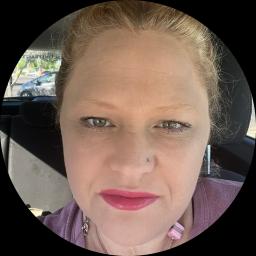
About Courtney
Courtney Strong-Gurr is an Arizona Licensed Professional Counselor (LPC) with ten years of practice helping people manage stress, anxiety, addiction, trauma, and identity-related concerns. She offers a calm, nonjudgmental presence and works to build trust so clients can speak honestly about what’s hard right now.
Her approach focuses on meeting each person where they are. Sessions tend to be conversational and grounded in the client’s goals. She uses mindfulness skills to help people notice difficult thoughts and feelings without getting overwhelmed, and practical tools to reduce symptoms day to day.
Courtney also integrates attachment-based ideas to look at how early relationships shape current patterns. That helps when relationship struggles, abandonment, or blended-family dynamics come up. Client-centered therapy keeps the client’s voice central, so treatment reflects individual values and strengths.
She draws on cognitive behavioral techniques to change unhelpful thinking and on Dialectical Behavior Therapy skills for emotional regulation when feelings run high. These methods are used together to create actionable steps between sessions.
Courtney aims to support people through grieving, parenting stress, body image and eating concerns, career transitions, and coping with life changes such as divorce or health challenges. People interested in starting work with her can expect straightforward guidance and steady encouragement as they try new ways of coping.
How her approaches shape online therapy
Mindfulness Therapy teaches simple attention practices that help people notice thoughts and physical sensations without getting swept up by them. It is often used for anxiety, stress, sleep troubles, and regulating strong emotions. Attachment-Based Therapy looks at relationship patterns formed early in life and how they affect current connections; it can help with intimacy issues, abandonment concerns, and communication problems.
Finding the right approach is part of the work. The therapist will collaborate with each person to identify goals and try methods that fit their needs and preferences. Adjustments are made over time so the approach supports real-life changes and feels usable between sessions.
The biography does not list specific session formats, so confirm current options before booking. Many people find online work easier to fit into daily life because it removes travel time and allows sessions during a lunch break or between errands. Online sessions can also make it simpler to use mindfulness exercises in familiar surroundings and to practice new skills between meetings. Licensed professionals will explain how the chosen approach will be applied and what to expect on a practical level during scheduling and the first sessions.
These summaries are based on the profile information listed on BetterHelp. Listing mindfulness as an approach does not mean a therapist holds a formal mindfulness training or certificate.
Frequently asked questions
What kinds of problems does she help with?
She supports people facing stress, anxiety, depression, addictions, trauma, and relationship or intimacy concerns. Additional focuses include parenting strain, grief, body image, and career transitions.
How would you describe her style in sessions?
Sessions are conversational and nonjudgmental, with an emphasis on building trust. She uses practical exercises and mindfulness to help people handle strong feelings and daily challenges.
What is her professional background?
She has ten years of professional experience working with people on a range of issues including trauma, addiction, and LGBT-related concerns. Her work blends several therapeutic approaches to meet individual needs.
What credentials and region apply to this therapist?
She holds the LPC credential, which stands for Licensed Professional Counselor, and is licensed in Arizona.
Are sessions available in other languages or from other countries?
Sessions are offered in English. She does not accept international clients at this time.
What session formats are used?
The original biography does not specify session formats. Please confirm current session options before booking to know whether online or in-person sessions are offered.
How are fees and payment handled?
Cost varies with location and therapist availability, and sessions use a subscription that can be canceled at any time. Specific rates should be confirmed during booking.
How do I begin working with her?
Select the Start Therapy button, complete a short matching questionnaire, and schedule according to therapist availability. That starts the matching and scheduling process.
Therapists on BetterHelp do not prescribe medication. A doctor can talk with you about medical options. If you are thinking about suicide, call or text 988; in an emergency, call 911.