Therapist listings are provided by BetterHelp. We will earn a commission at no additional cost to you if you sign up through our links.

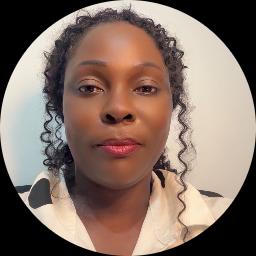
Barbara Mutagamba

Barbara Mutagamba

LCSW, CSW

Calm, practical support for relationship and life stress

Areas of expertise

Primary focus

Stress, AnxietyRelationship issuesFamily conflictsTrauma and abuseDepression

Also works with

AddictionsLGBTGriefIntimacy-related issuesParenting issuesAnger managementSelf esteemCareer difficultiesCoping with life changes

Additional focus areas

AbandonmentAdoption and foster careAttachment issuesBlended family issuesBody imageCodependencyCommitment issuesCommunication problemsDivorce and separationFamily of origin issuesFamily problemsForgivenessImmigration issuesInfidelityIsolation / lonelinessMulticultural concernsPanic disorder and panic attacksWomen's issuesWorkplace issuesYoung adult issues

Therapeutic approaches

Acceptance and Commitment Therapy (ACT)Attachment-Based TherapyClient-Centered TherapyCognitive Behavioral Therapy (CBT)Dialectical Behavior Therapy (DBT)Emotionally-Focused Therapy (EFT)Gottman MethodMindfulness TherapyMotivational InterviewingNarrative TherapyPsychodynamic TherapySolution-Focused TherapyTrauma-Focused Therapy

Experience

5+ years

Credentials

Colorado

Languages

English

Licenses listed

As listed on the therapist's profile. You can check a license with the state licensing board and an NPI in the national registry.

  • Mindfulness-based care
  • Relationship focus
  • Practical coping skills

About Barbara

Barbara Mutagamba is a licensed clinical social worker who helps people manage stress, anxiety, depression, relationship strain, and trauma. She welcomes people who feel stuck, rejected, ashamed, or overwhelmed and offers a steady, nonjudgmental space to talk and begin finding new perspective.

Barbara emphasizes listening and practical steps. She uses mindfulness, cognitive and acceptance-based tools to help people notice difficult feelings and respond differently. Sessions focus on understanding patterns, naming triggers, and trying small changes that make daily life easier.

Her background as an LCSW, CSW (licensed clinical social worker and clinical social worker) informs a flexible approach. Treatment plans are made for each person’s needs instead of using a single method for everyone. Therapy often looks at relationships and how past experiences shape current habits and expectations.

Barbara often works through relationship disruption, attachment wounds, and family-of-origin concerns. She also addresses parenting strains, grief, issues related to adoption and foster care, immigration-related stress, and challenges such as addiction and body image. Practical communication skills and coping strategies are common parts of sessions.

People meet her for emotional healing and skills to manage mood, anger, or intimacy worries. She aims to help clients integrate lessons from hard times and build stronger connection with themselves and others. Beginning therapy can feel hard, and Barbara frames that first step as an act of courage and self-care.

How her approaches translate to online therapy

Barbara blends Mindfulness Therapy, Acceptance and Commitment Therapy (ACT), and Attachment-Based Therapy in ways that fit remote work. Mindfulness practice involves short attention exercises, grounding and noticing patterns in the moment to reduce reactivity and stress. ACT focuses on clarifying values, accepting difficult feelings, and committing to small behavior changes that match what matters to the client. Attachment-Based Therapy looks at how early relationships shape current connection patterns and helps people practice different ways of relating in day-to-day life.

Choosing the right approach is a collaborative process. The therapist and client talk about goals, try techniques, and adjust based on what feels useful. That collaboration helps identify which blend of mindfulness, acceptance, or attachment work fits a person's needs and preferences.

If you are considering online sessions, confirm the specific session formats available before booking. Online work can make it easier to fit therapy into a busy life by removing travel time, allowing shorter check-ins when needed, and making it simpler to schedule around work or parenting. Many people find skill practice, communication exercises, and mindfulness homework translate well to remote sessions, while the therapist helps tailor exercises to everyday routines.

These summaries are based on the profile information listed on BetterHelp. Listing mindfulness as an approach does not mean a therapist holds a formal mindfulness training or certificate.

Frequently asked questions

What kinds of concerns can I bring to sessions?

Barbara works with people facing stress, anxiety, depression, relationship and family issues, trauma and abuse, grief, addictions, self-esteem and many related concerns such as parenting, intimacy, and communication problems.

What is Barbara's general approach in therapy?

She uses a blend of mindfulness practices, acceptance and commitment ideas, attachment-focused work, client-centered listening, and cognitive tools to help people notice patterns and try small, practical changes.

How much experience does she have?

Barbara has five years of clinical experience working with the issues listed in her specialties and additional focus areas.

What are her credentials and where is she located?

She holds the credentials LCSW and CSW and practices in Colorado.

What languages are supported and can international clients work with her?

Sessions are offered in English and she accepts international clients.

What session formats does she offer?

Please confirm current session options before booking so you know which formats are available for scheduling.

How are sessions paid for and what does cost look like?

Cost varies with location and therapist availability; sessions use a subscription that can be canceled at any time.

What is the first step to begin working together?

Select the Start Therapy button, complete a short matching questionnaire, and then schedule according to the therapist's availability.

Therapists on BetterHelp do not prescribe medication. A doctor can talk with you about medical options. If you are thinking about suicide, call or text 988; in an emergency, call 911.

Barbara MutagambaContinue with Barbara