Therapist listings are provided by BetterHelp. We will earn a commission at no additional cost to you if you sign up through our links.

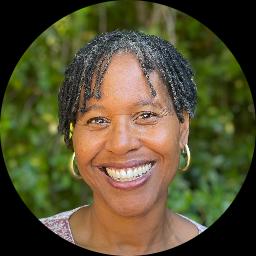
April Bolin

April Bolin

LCSW

Calm, practical support for life’s hard transitions

Areas of expertise

Also works with

Stress, AnxietyAddictionsRelationship issuesFamily conflictsTrauma and abuseIntimacy-related issuesParenting issuesAnger managementCareer difficultiesBipolar disorderDepressionADHD

Additional focus areas

Adoption and foster careAging and geriatric issuesAvoidant personalityBlended family issuesCaregiver issues and stressCommunication problemsEmptinessForgivenessGender dysphoriaGuilt and shameHospice and end-of-life counselingIsolation / lonelinessLife purposeMulticultural concernsPost-traumatic stressPrejudice and discriminationSelf-loveSexualityWomen's issuesWorkplace issues

Therapeutic approaches

Client-Centered TherapyCognitive Behavioral Therapy (CBT)Existential TherapyJungian TherapyMindfulness TherapyMotivational InterviewingSolution-Focused TherapyTrauma-Focused Therapy

Experience

25+ years

Credentials

California

Languages

English

Licenses listed

As listed on the therapist's profile. You can check a license with the state licensing board and an NPI in the national registry.

  • Mindful approaches
  • Thought work
  • Grief and loss

About April

April Bolin is a licensed clinical social worker with 25 years of experience in California. She helps people facing anxiety, depression, grief, relationship strain, parenting stress, trauma, and questions about identity. Her approach is practical and grounded, with attention to emotional safety and real-life needs.

April uses mindfulness and client-centered methods to help people notice how thoughts and feelings influence behavior. She also draws on cognitive behavioral strategies to identify unhelpful patterns and try small, manageable changes. Sessions aim to leave people with tools they can use between meetings.

Her background includes work in partial hospitalization settings and training at the Chaplaincy Institute’s Interfaith Seminary. That mix of clinical and psycho-spiritual experience informs how she supports grief, caregiver exhaustion, and recovery from religious harm. She describes herself as spiritual but not religious and respects all faith traditions.

April focuses on helping people reach clearer self-understanding and find practical steps forward. She values collaboration and the “aha moments” that come when someone recognizes a new way to respond to life’s challenges. The tone in sessions tends to be calm, straightforward, and compassionate.

People who choose her often want a clinician who balances mental health tools with attention to meaning and values. Her work blends mindfulness practice, thought-focused techniques, and reflective conversation to support sustainable change.

How core approaches shape online therapy

Mindfulness Therapy helps people bring gentle attention to thoughts, sensations, and feelings. It teaches simple exercises that calm the nervous system and make it easier to notice automatic reactions to stress or grief. Client-Centered Therapy centers the person’s experience by offering empathy and active listening so clients can find their own solutions and clearer values. Cognitive Behavioral Therapy (CBT) focuses on spotting unhelpful thoughts and testing new behaviors to reduce anxiety and depression symptoms.

Finding the right mix of approaches is part of the work. April will collaborate with each person to choose methods that match their goals, needs, and preferences. That may mean trying mindfulness practices alongside CBT exercises and adjusting the plan as progress is made.

The biography does not list specific session formats, so confirm current online session options before booking. Online work can make it easier to fit therapy into busy days, reduce travel time, and allow shorter check-ins when needed. It also supports continuing care if life changes make in-person visits harder. Licensed professionals use these approaches to help people apply skills in everyday situations and track progress between meetings.

These summaries are based on the profile information listed on BetterHelp. Listing mindfulness as an approach does not mean a therapist holds a formal mindfulness training or certificate.

Frequently asked questions

What kinds of concerns does April help with?

She works with anxiety, depression, grief, trauma, relationship strain, parenting stress, identity and LGBT issues, addictions, bipolar disorder, ADHD, and related concerns listed in her specialties.

How would you describe her therapy style?

Her style is calm and practical. She mixes mindfulness, client-centered listening, and cognitive techniques to help people notice patterns and try small changes.

What is her professional background?

April has 25 years of clinical experience and has worked in partial hospitalization settings. She also completed training at the Chaplaincy Institute’s Interfaith Seminary.

What credentials and location are listed?

She holds an LCSW license (CA LCSW) and practices in California.

Which languages are used in sessions?

Sessions are offered in English. She is not accepting international clients.

What session formats are available?

The original biography does not specify session formats; please confirm current session options before booking.

How does payment or cost work?

Cost varies with location and therapist availability; sessions use a subscription that can be canceled at any time.

How do I begin working with her?

Choose the Start Therapy button, complete a short matching questionnaire, and schedule according to the therapist's availability.

Therapists on BetterHelp do not prescribe medication. A doctor can talk with you about medical options. If you are thinking about suicide, call or text 988; in an emergency, call 911.

April BolinContinue with April