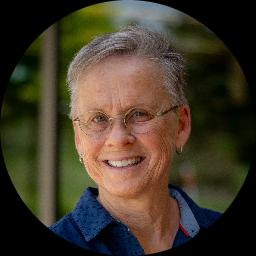
As listed on the therapist's profile. You can check a license with the state licensing board and an NPI in the national registry.
Mindfulness informed
Goal focused
Direct and respectful
About Alaine
Alaine Lagasse is a Licensed Professional Counselor (LPC, LPCC) based in Minnesota with 12 years of experience. She uses straightforward, respectful communication to help people facing stress, anxiety, addiction, trauma, and other life challenges. She emphasizes honesty and supports people from diverse backgrounds, including those who identify as LGBT.
Previously she worked as a readjustment counselor, supporting veterans during the shift from military to civilian life and addressing issues that followed combat and sexual trauma. That work included helping with depression, relationship strain, substance concerns, and career transitions. She also brings experience helping people who have experienced physical or emotional abuse.
Her sessions combine practical approaches such as cognitive behavioral therapy and acceptance and commitment therapy with mindfulness practices. She adapts the conversation and plan to match each person's situation rather than using a single method for everyone. The therapist balances being direct with maintaining sensitivity and compassion.
Alaine focuses on clear goals and step-by-step skills that people can use between sessions. She helps with coping skills, improving sleep, managing anger, and building confidence. Her work also covers complex issues such as co-morbidity, caregiver stress, blended family concerns, and substance use problems.
People who want honest feedback and a collaborative, goal-oriented process may find her style helpful. She encourages those ready to make changes and offers support through the early steps of that process.
Mindful and Practical Methods for Online Care
Mindfulness Therapy uses simple attention practices to help people notice thoughts and bodily responses without getting swept away by them. It can be helpful for anxiety, stress, sleep problems, and managing urges.
Acceptance and Commitment Therapy, or ACT, focuses on clarifying what matters to someone and taking small committed steps toward those values while learning to live with difficult thoughts and feelings. It often helps with depression, anxiety, and life transitions.
Client-Centered Therapy emphasizes an open, nonjudgmental conversation where the therapist listens closely and follows the client's lead. This approach supports people who need a steady, respectful space to sort through feelings and choices.
Finding the right mix of methods is part of the work. The therapist will collaborate with each person to choose approaches based on needs, goals, and preferences rather than assuming one method fits everyone.
Practical benefits of online therapy include easier fitting of sessions into a busy week and fewer travel demands. Online options can make it simpler to keep short check-ins, attend while on a break, or avoid camera use when that helps someone focus. The therapist's session formats were not specified in the biography, so confirm current session options before booking to learn which online or in-person formats are available.
These summaries are based on the profile information listed on BetterHelp. Listing mindfulness as an approach does not mean a therapist holds a formal mindfulness training or certificate.
Frequently asked questions
What concerns does she help with?
She works with stress, anxiety, addictions, trauma and abuse, anger, depression, and related issues such as sleep problems, self-esteem, bipolar disorder, and ADHD.
What is her therapeutic style like?
Her style is interactive and somewhat direct, pairing honesty with sensitivity and compassion to help people face difficult issues and make practical changes.
What experience does she bring to therapy?
She has 12 years of clinical experience, including work as a readjustment counselor supporting veterans through military-to-civilian transitions and helping people recover from physical and emotional trauma.
What credentials does she hold and where is she based?
She holds LPC and LPCC credentials and practices in Minnesota with licensure details also noting Alaska previously.
Are sessions offered in other languages or internationally?
Sessions are offered in English and she is not currently working with international clients.
Which session formats are available?
The original biography does not list specific session formats; please confirm current session options when you book to learn whether online or in-person sessions are offered.
How does billing and cost work?
Cost varies with location and therapist availability; sessions use a subscription that can be canceled at any time.
How do I begin working together?
To start, select the Start Therapy button, complete a short matching questionnaire, and schedule according to the therapist's availability.
Therapists on BetterHelp do not prescribe medication. A doctor can talk with you about medical options. If you are thinking about suicide, call or text 988; in an emergency, call 911.