As listed on the therapist's profile. You can check a license with the state licensing board and an NPI in the national registry.
Mindfulness-informed care
Practical coping skills
Multilingual support
About Aabeda
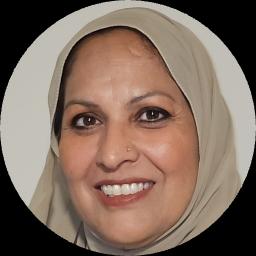
Aabeda Fatmi is a licensed clinical social worker in Florida with 16 years of experience. She emphasizes a mindful, person-focused way of working and supports people who are facing stress, anxiety, low self-esteem, or the emotional fallout of trauma. She speaks English as well as Bihari languages, Hindi, and Urdu, and she accepts international clients.
She approaches therapy by listening to each person’s story and treating them as the expert on their life. Sessions focus on practical steps and small changes people can try between meetings. Mindfulness techniques are used alongside cognitive tools to help manage anxious thoughts and strong emotions.
Her background includes guiding people through relationship and intimacy concerns, addiction-related struggles, career stress, bereavement related to separation and divorce, and caregiver fatigue. She also addresses deeper issues such as attachment wounds, abandonment, and family-of-origin patterns that affect current relationships.
In sessions she offers solution-focused planning and narrative methods to reframe difficult memories and behaviors. Clients work together with her to set clear goals and track progress over time. The aim is steady, realistic change rather than quick fixes.
People who choose her can expect a respectful, steady presence that helps them build new habits and cope with life transitions. To begin, follow the site’s Start Therapy process and complete the brief matching questionnaire to schedule sessions.
How her approaches translate to online therapy
Mindfulness Therapy encourages attention to the present moment and gentle awareness of thoughts and feelings; it can help people manage anxiety, stress, and emotional reactivity by teaching simple breathing and attention practices. Client-Centered Therapy focuses on listening, empathy, and working at the client's pace so they feel heard and understood; it suits people who need support exploring personal values and relationships. Cognitive Behavioral Therapy (CBT) offers clear exercises to identify unhelpful thoughts and try new behaviors, which can be useful for anxiety, low mood, and gradual habit change.
Choosing the right approach is a team effort. She will work with a client to pick methods that match goals, preferences, and day-to-day needs. That collaborative process may mix mindfulness practice, CBT skill-building, and narrative or solution-focused tools until a clear path forward emerges.
The biography does not specify session formats, so confirm the current options before booking. Online sessions can make it easier to fit therapy into a busy life - they can reduce travel time, allow for shorter check-ins during a work break, or avoid the need to be on camera for every meeting. Licensed professionals can adapt mindfulness exercises, thought records, and solution-focused planning to virtual work so progress continues even when meeting remotely.
These summaries are based on the profile information listed on BetterHelp. Listing mindfulness as an approach does not mean a therapist holds a formal mindfulness training or certificate.
Frequently asked questions
What concerns does she help with?
She works with stress, anxiety, depression, trauma and abuse, relationship and intimacy issues, addictions, career strain, and compassion fatigue. Additional focuses include family conflicts, attachment and abandonment issues, caregiver stress, and social anxiety.
What is her style in therapy?
Her style is person-focused and collaborative, blending Mindfulness Therapy with client-centered listening and practical CBT tools. Sessions aim to clarify goals, practice skills, and apply changes between meetings.
How much experience does she bring?
She has 16 years of professional experience working with a range of emotional and relational concerns. That background informs a structured yet flexible approach to support long-term change.
What are her credentials and where is she based?
She holds LCSW-C and LCSW credentials and is licensed in Florida. Those credentials are listed exactly as provided.
Which languages are offered in sessions?
Sessions are offered in English, Bihari languages, Hindi, and Urdu. She also accepts international clients.
What session formats are available?
The original biography does not list specific session formats. Please confirm current session options before booking so you know whether online or in-person meetings are offered.
How is cost handled for sessions?
Cost varies with location and therapist availability. Sessions use a subscription that can be canceled at any time, and final pricing depends on those factors.
How do I begin working with her?
Use the Start Therapy button on this site, complete the short matching questionnaire, and then schedule according to the therapist's availability.
Therapists on BetterHelp do not prescribe medication. A doctor can talk with you about medical options. If you are thinking about suicide, call or text 988; in an emergency, call 911.