- Mindfulness-based approach
- Practical tools
- Collaborative process
About Trisha
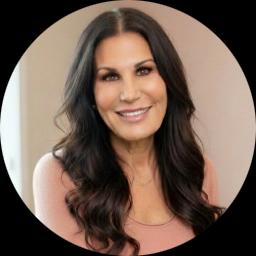
Trisha Williams is a licensed mental health counselor (LMHC) with 22 years of experience. She practices from Washington and brings a calm, steady presence to sessions. She describes therapy as a partnership where people are the experts in their own lives and the therapist offers guidance and tools.
She helps people manage stress, anxiety, and depression. She supports work on relationships, setting boundaries, and coping with grief and loss. Trisha also addresses addictions, trauma and abuse, bipolar concerns, and life transitions.
Her approach blends practical skills and reflective work. She uses mindfulness practices to help people notice thoughts and feelings without getting swept away. Cognitive behavioral techniques are used to identify patterns and try new behaviors. Acceptance and Commitment Therapy (ACT) supports values-based action when emotions feel overwhelming.
Sessions focus on what the person needs in the moment. Trisha listens and helps people set small, doable goals. She also helps with communication problems, divorce and separation, guilt and shame, and finding life purpose.
People who want a steady, collaborative helper tend to connect with her style. She aims to make therapy feel useful and manageable. To begin, follow the site steps to match and schedule a session with her.