- Attachment focused
- Mindfulness informed
- Strengths based
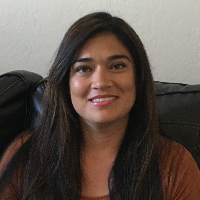
About Rachel
Rachel Bentley is a licensed marriage and family therapist with eight years of post-licensure practice. She practices in Arizona and brings a long history of clinical work across schools, group homes, addiction programs, and residential settings. Rachel uses a relational lens to help people unpack how past attachments affect present relationships and behavior.
Her background includes work with at-risk children, adolescents, and adults in outpatient and residential care. That variety shaped her practical approach to therapy - she draws on grounded methods to help people change thoughts and actions that no longer serve them. Rachel emphasizes building on existing strengths and coping skills to support steady progress.
In sessions she pays attention to how early caregiving relationships influence current reactions and connections. Rachel blends Attachment-based ideas with cognitive and behavioral techniques to help clients notice patterns, test new responses, and make different choices in relationships. She also uses client-centered listening to keep each person’s goals at the center.
Rachel has experience in addiction treatment, play therapy, school counseling, and community mental health. That range means she can talk plainly about parenting stress, grief, intimacy concerns, or substance use without jargon. Her style aims to be practical and rooted in real-life solutions.
People who reach out often want help with anxiety, relationship struggles, life changes, or grief. Rachel focuses on supporting people as they relearn helpful ways of relating and managing strong feelings.
She frames therapy as an ongoing process of learning and growth, working side by side with clients to set small, achievable steps toward healthier relationships and greater emotional balance.