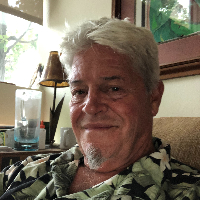
As listed on the therapist's profile. You can check a license with the state licensing board and an NPI in the national registry.
Warm collaborative style
Focus on relationships
Mindfulness-based approach
About John
John Alilovich is a Licensed Marriage and Family Therapist (LMFT) practicing in California. He brings four decades of clinical work to sessions and has long experience in both county mental health services and private practice. John frames therapy around the person in front of him and focuses on practical ways to improve daily life.
He spent more than fifteen years with a county mental health department, working with children and families on substance addiction, domestic violence, relationship strains, parenting questions, and issues affecting LGBTQ families. He also built a private practice that has continued for many years and includes a wide range of concerns.
John’s approach aims to be warm and personal. He begins by learning who a client is and what matters to them. Together with the client he sets realistic goals and works toward solutions that fit the client’s life and values.
He often uses mindfulness, Cognitive Behavioral Therapy, Emotion-Focused ideas, and Internal Family Systems to guide sessions. He draws from these methods to help clients notice patterns, build different responses, and try new behaviors in everyday situations.
People come to him for many issues, including relationship struggles, trauma and abuse, anxiety, depression, parenting challenges, addiction, grief, and questions about identity and life purpose. He emphasizes respect, sensitivity, and collaboration while helping clients move toward meaningful change.
How his approaches translate to online work
Mindfulness Therapy is about paying attention to the present moment with curiosity. It helps people notice stress, emotional triggers, and unhelpful habits so they can choose different responses in daily life. Acceptance and Commitment Therapy, or ACT, focuses on clarifying what matters to you and taking actions consistent with those values while allowing difficult thoughts and feelings to be present.
Attachment-Based Therapy looks at how early relationships influence current patterns. It can help people understand why they react a certain way in close relationships and try new ways of relating that feel safer and more effective. These approaches are useful for relationship struggles, anxiety, grief, and life transitions.
Finding the right approach is part of working together. John will talk with each person about their goals and preferences and suggest methods to try. Therapy is collaborative and may blend techniques to match what the client needs in practice and in everyday life.
If you are interested in online sessions, please confirm which session formats are currently offered before booking, since formats were not specified in the biography. Online therapy can make it easier to fit sessions into a busy schedule, allow shorter check-ins when needed, and reduce travel time. Many people find that remote sessions let them apply skills between appointments and keep continuity of care when life is changing.
These summaries are based on the profile information listed on BetterHelp. Listing mindfulness as an approach does not mean a therapist holds a formal mindfulness training or certificate.
Frequently asked questions
What concerns can John help with?
He works with many issues such as relationship challenges, trauma and abuse, anxiety, depression, addictions, grief, parenting stress, and questions about life purpose.
How would you describe his therapeutic style?
His style is warm and personal. He learns about each person and collaborates to set goals and find practical solutions.
What background does he bring to sessions?
He has about 40 years of clinical experience, including more than fifteen years in a county mental health department and many years in private practice.
What are his credentials and where is he based?
He is a Licensed Marriage and Family Therapist - LMFT - practicing in California.
Does he work in other languages or accept international clients?
Sessions are offered in English and he does accept international clients.
What session formats are available?
Please confirm current session options before booking since formats were not specified in the biography.
How does pricing work?
Cost varies with location and therapist availability, and sessions use a subscription that can be canceled at any time.
How do I begin working with him?
Select the Start Therapy button, complete a short matching questionnaire, and schedule according to the therapist's availability.
Therapists on BetterHelp do not prescribe medication. A doctor can talk with you about medical options. If you are thinking about suicide, call or text 988; in an emergency, call 911.