Therapist listings are provided by BetterHelp. We will earn a commission at no additional cost to you if you sign up through our links.

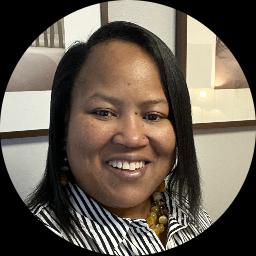
Christina Brown

Christina Brown

LMHC

Calm, practical care for life’s transitions

Areas of expertise

Additional focus areas

AbandonmentAttachment issuesBlended family issuesBody imageCaregiver issues and stressCo-morbidityCodependencyCommitment issuesCommunication problemsControl issuesCoping with natural or human-caused disasterDisruptive Mood Dysregulation Disorder (DMDD)Domestic violenceFamily of origin issuesFamily problemsForgivenessGuilt and shameImpulsivityIsolation / lonelinessLife purposeMidlife crisisMood disordersMulticultural concernsObsessions, compulsions, and OCDPanic disorder and panic attacksPersonality disordersPost-traumatic stressPrejudice and discriminationSeasonal Affective Disorder (SAD)Self-harmSelf-loveSocial anxiety and phobiaWomen's issuesWorkplace issuesYoung adult issues

Therapeutic approaches

Acceptance and Commitment Therapy (ACT)Client-Centered TherapyCognitive Behavioral Therapy (CBT)Dialectical Behavior Therapy (DBT)Mindfulness TherapyMotivational InterviewingNarrative TherapyPsychodynamic TherapySolution-Focused TherapyTrauma-Focused Therapy

Experience

4+ years

Credentials

Washington

Languages

English

Licenses listed

As listed on the therapist's profile. You can check a license with the state licensing board and an NPI in the national registry.

  • Mindfulness-based support
  • Values-focused work
  • Practical coping skills

About Christina

Christina Brown is a licensed mental health counselor in Washington with four years of clinical experience. She focuses on practical, down-to-earth support for people facing stress, anxiety, low self-esteem, career struggles, depression, and major life changes. She speaks English and approaches each person with respect and compassion.

Christina uses mindfulness as a core part of sessions to help people notice what’s happening in the moment. She also draws on acceptance and commitment ideas to clarify values, and cognitive behavioral tools to spot and change unhelpful thinking. Conversation is guided by the client’s needs rather than a one-size-fits-all plan.

Sessions are collaborative and paced to fit what an individual can manage. Christina aims to make skills usable in daily life, such as simple attention practices, behavioral experiments, and clearer communication techniques. She adjusts the work if goals or circumstances shift.

Her background includes helping with attachment and abandonment concerns, blended family stress, caregiver strain, body image, codependency, domestic violence history, and family-of-origin issues. She also works with people coping with disasters, co-occurring problems, and disruptive mood presentations.

Christina encourages taking the first step and will tailor initial conversations to learn what matters most. To begin, readers should use the site’s Start Therapy process and complete the matching questionnaire to schedule a session.

How Mindfulness and ACT Shape Online Sessions

Mindfulness Therapy focuses on simple attention practices and gentle awareness of thoughts and feelings. It helps people slow down automatic reactions and notice what matters in daily life. Acceptance and Commitment Therapy, or ACT, pairs that awareness with values-based goals so people can take small steps toward what they care about. Cognitive Behavioral Therapy looks at unhelpful thoughts and behaviors and offers concrete exercises to test and change them.

Finding the right approach is usually a shared process. The therapist will talk with each person about their goals and preferences and try different tools collaboratively. The plan can shift over time so the work stays useful and realistic for day-to-day demands.

The biography does not list specific online formats, so confirm available options before booking. Online work can make it easier to fit sessions into a busy schedule, allow shorter check-ins when that helps, and reduce travel time. It also lets people practice skills in the settings where they live and work, so tools learned in a session can be used right away.

These summaries are based on the profile information listed on BetterHelp. Listing mindfulness as an approach does not mean a therapist holds a formal mindfulness training or certificate.

Frequently asked questions

What concerns does this therapist help with?

She helps people facing stress, anxiety, low self-esteem, career issues, depression, and coping with life changes. There are also services for attachment, abandonment, body image, caregiver stress, and related family-of-origin concerns.

How would you describe the therapy style used?

The approach blends mindfulness practices with acceptance and commitment ideas and cognitive behavioral techniques. Sessions emphasize practical skills and a client-centered, collaborative conversation.

What is Christina Brown’s experience?

She holds a Washington LMHC credential and has four years of professional experience working in behavioral health. That experience informs her work with stress, mood, and life transitions.

Where is this clinician licensed and located?

The clinician is licensed in Washington as an LMHC and practices in that state. Sessions are conducted in English.

Can I work with this therapist from another country?

International clients are not currently accepted. Sessions are offered in English to people located where Washington licensing allows practice.

What session formats are offered?

The original biography does not specify session formats. Please confirm current session options on the booking page before scheduling.

How are session costs handled?

Costs vary by location and therapist availability and the service uses a subscription that can be canceled at any time. Check the platform’s pricing details for current rates.

How do I get started with therapy here?

Click the Start Therapy button, complete a short matching questionnaire, and schedule according to the therapist’s availability shown on the site.

Therapists on BetterHelp do not prescribe medication. A doctor can talk with you about medical options. If you are thinking about suicide, call or text 988; in an emergency, call 911.

Christina BrownContinue with Christina