Therapist listings are provided by BetterHelp. We will earn a commission at no additional cost to you if you sign up through our links.

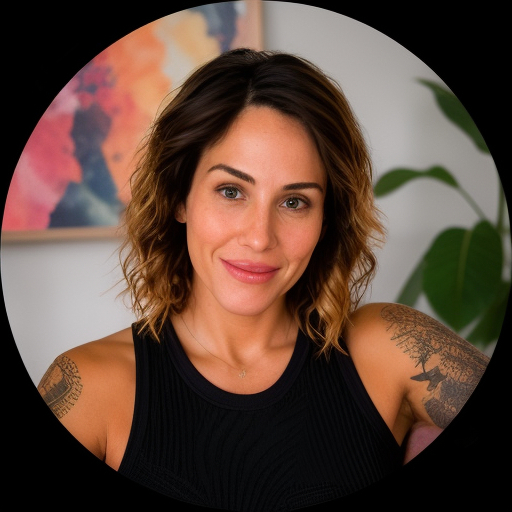
Chanin Santini

Chanin Santini

LCSW

Guiding mindful, practical growth for intimate and life challenges

Areas of expertise

Primary focus

Intimacy-related issues

Also works with

Stress, AnxietyAddictionsLGBTRelationship issuesTrauma and abuseAnger managementSelf esteemDepressionCoping with life changesCoaching

Additional focus areas

Attachment issuesBDSM, kink, and alternative sex cultureBody imageCancerCodependencyCommitment issuesCommunication problemsDivorce and separationEating and food-related issuesFamily problemsFertility issuesFirst responder issuesForgivenessGender dysphoriaGuilt and shameHIV / AIDSImpulsivityInfidelityIsolation / lonelinessJealousyLife purposeMen's issuesMidlife crisisVeteran and Armed Forces IssuesMulticultural concernsPersonality disordersPost-traumatic stressPregnancy and childbirthSelf-harmSelf-loveSex addictionSexual assault and abuseSexual dysfunctionSexualitySocial anxiety and phobiaWomen's issuesWorkplace issues

Therapeutic approaches

Client-Centered TherapyCognitive Behavioral Therapy (CBT)Dialectical Behavior Therapy (DBT)Gottman MethodMindfulness TherapyMotivational InterviewingNarrative TherapySolution-Focused TherapyTrauma-Focused TherapySystemic Therapy

Experience

15+ years

Credentials

California, Pennsylvania

Languages

English

Licenses listed

  • LCSW, California131236
  • LCSW, PennsylvaniaCW019281
  • NPI 1326392945

As listed on the therapist's profile. You can check a license with the state licensing board and an NPI in the national registry.

  • Mindfulness informed
  • Skills focused
  • Affirming care

About Chanin

Chanin Santini is a licensed clinical social worker who helps people facing stress, anxiety, depression, and intimacy challenges. She guides individuals through relationship transitions, sexuality-related concerns, and building healthier self-esteem. Her style is direct and compassionate, aimed at making change feel possible in everyday life.

She uses mindfulness tools to help clients slow down and notice what is happening in their bodies and minds. Chanin also works in a client-centered way, letting each person set the pace and goals for therapy. Cognitive Behavioral Therapy and Dialectical Behavior Therapy techniques are used when practical skills are helpful for managing emotions and behaviors.

Chanin draws on 15 years of clinical experience in California to support people through trauma recovery, addiction concerns, and the stress of major life changes. She also helps with communication problems, commitment and attachment issues, and difficulties around body image and sexual expression such as kink and BDSM topics. She offers an affirming approach for people across LGBT identities and for those facing gender dysphoria.

Her sessions tend to focus on clear strategies and steady progress rather than jargon. Clients can expect to work on skills for regulating strong emotions, improving communication, and making values-based choices. The work emphasizes practical steps that fit into daily routines.

People who want a therapist who listens, challenges when needed, and blends mindfulness with skill-building may find this approach useful. Chanin aims to support people as they rebuild trust in themselves and make meaningful, lasting changes.

How Chanin blends mindfulness and skills work online

Mindfulness Therapy helps people notice thoughts, sensations, and reactions without judgment; it can be useful for anxiety, stress, and trauma-related symptoms by building moment-to-moment awareness. Client-Centered Therapy focuses on listening, empathy, and supporting each person's goals so therapy follows the client's pace and priorities. Cognitive Behavioral Therapy offers practical tools to change unhelpful thought patterns and behaviors, which can reduce symptoms of anxiety, depression, and problems with coping.

Finding the right mix of approaches is part of the work. Chanin collaborates with each person to decide which methods fit their needs and goals. She checks in regularly and adjusts the plan as progress is made, so therapy stays aligned with what the client wants to accomplish.

Confirm the available session options before booking, as formats are set by the therapist. Online therapy can make it easier to fit appointments into a busy schedule, shorten commute time, and allow for shorter check-ins when needed. It also lets people use quieter surroundings, avoid being on camera some days, or schedule sessions during a lunch break. These practical benefits help therapy fit into everyday life while the therapist and client focus on making steady, useful changes.

These summaries are based on the profile information listed on BetterHelp. Listing mindfulness as an approach does not mean a therapist holds a formal mindfulness training or certificate.

Frequently asked questions

What kinds of concerns does Chanin work with?

She helps people with intimacy issues, stress, anxiety, depression, addictions, and relationship problems, plus topics like body image, communication, and codependency.

What is her therapeutic style like?

Her approach blends mindfulness, client-centered listening, and practical skills from CBT and DBT to help people manage emotions and improve relationships.

How much clinical experience does she have?

Chanin has 15 years of experience working with a range of personal and relational issues in California.

What credentials and location are listed?

She holds LCSW credentials and practices in California with licenses noted as CA LCSW and PA LCSW.

Which languages are supported for sessions?

Sessions are offered in English.

Can people outside the U.S. work with her?

International clients are not currently accepted.

How are fees and payment handled?

Cost varies with location and therapist availability; sessions use a subscription that can be canceled at any time.

How do I begin working with Chanin?

Use the Start Therapy button, complete a short matching questionnaire, and schedule sessions according to therapist availability.

Therapists on BetterHelp do not prescribe medication. A doctor can talk with you about medical options. If you are thinking about suicide, call or text 988; in an emergency, call 911.

Chanin SantiniContinue with Chanin