Caregiver issues and stressDivorce and separationFirst responder issuesHospice and end-of-life counselingVeteran and Armed Forces IssuesPost-traumatic stress
Therapeutic approaches
Cognitive Behavioral Therapy (CBT)Eye Movement Desensitization and Reprocessing (EMDR)Mindfulness TherapyMotivational InterviewingSolution-Focused TherapyTrauma-Focused Therapy
As listed on the therapist's profile. You can check a license with the state licensing board and an NPI in the national registry.
Mindfulness-based care
Strengths focused
Trauma informed
About Catherine
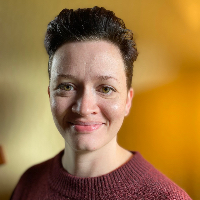
Catherine Chapman is a Licensed Clinical Social Worker who supports people facing stress, anxiety, depression, grief, trauma, and related challenges. She helps with compassion fatigue, caregiver strain, addictions, eating concerns, self-esteem struggles, and life transitions. Catherine also addresses concerns tied to career, parenting, bipolar disorder, LGBT issues, and post-traumatic stress.
Catherine uses a straightforward, strengths-focused style. She listens and helps people spot practical steps they can use day to day. Mindfulness-based ideas are part of her work, along with solution-focused conversations and goal-oriented coaching. Sessions aim to clarify what matters most and build simple routines that fit into busy lives.
She trained in social work at the University of Oklahoma and holds a Master of Social Work degree. Her background includes hospital and medical settings, where she supported patients and families through health crises and end-of-life situations. That work informs how she approaches grief, hospice concerns, and first responder stress.
Catherine also integrates Cognitive Behavioral Therapy techniques and EMDR in her practice when appropriate. She emphasizes a person-in-environment perspective that looks at the situation around someone, not just symptoms. The process centers on the client’s own goals and strengths.
Sessions are collaborative and paced to each person’s needs. Catherine focuses on clear, doable tools rather than jargon. She aims to be a steady, practical ally while people work through hard changes and find new ways to cope.
How approaches like mindfulness and EMDR are used online
Mindfulness Therapy helps people notice thoughts and body sensations without judgment. It often uses short exercises to calm racing thoughts and to bring attention back to what matters in daily life, which can help with anxiety and stress.
Cognitive Behavioral Therapy, or CBT, focuses on the links between thoughts, feelings, and actions. It breaks problems into concrete patterns and teaches specific skills such as thought tracking and behavioral experiments to test new ways of coping.
Eye Movement Desensitization and Reprocessing, EMDR, is a trauma-focused method that works with distressing memories and related reactions. In practice it combines focused recall with guided processing to reduce the intensity of traumatic memories over time.
Finding the right approach is a collaborative process. Catherine will discuss your needs, goals, and preferences and then recommend methods that fit your situation. Together you’ll try strategies and adjust the plan based on what helps most.
The profile does not list specific session formats, so confirm available options before booking. In general, online work can make it easier to fit therapy into a busy life - it can reduce travel time, allow shorter check-ins during a workday, and make it simpler to attend from different locations. Licensed professionals can adapt mindfulness, CBT, and EMDR techniques for remote sessions when appropriate, and Catherine will help decide what works best for you.
These summaries are based on the profile information listed on BetterHelp. Listing mindfulness as an approach does not mean a therapist holds a formal mindfulness training or certificate.
Frequently asked questions
What kinds of concerns does Catherine help with?
She supports stress, anxiety, depression, grief, trauma and abuse, compassion fatigue, addictions, eating concerns, self-esteem, career questions, and coping with life changes. Additional areas include caregiver stress, divorce and separation, first responder issues, hospice and end-of-life counseling, and veteran and armed forces issues.
How would you describe her therapy style?
Catherine uses a strengths-based, practical style that focuses on clear steps people can try between sessions. Mindfulness ideas and solution-focused conversations are used to set goals and build everyday routines.
What is her professional background?
She earned a Master of Social Work from the University of Oklahoma and has experience working in hospital and medical settings supporting patients and families through difficult health-related situations.
What credentials and location apply?
She is a Licensed Clinical Social Worker (LCSW) practicing in Oklahoma and holds the credential ND LCSW, OR LCSW as provided in her profile.
Are sessions available in other languages or outside the country?
Sessions are offered in English. International clients are not currently accepted.
What session formats are offered?
The original profile does not list specific session formats, so confirm current session options before booking to know whether in-person, video, or phone sessions are available.
How are sessions paid for and what does cost look like?
Cost varies with location and therapist availability. Sessions use a subscription that can be canceled at any time.
How do I begin working with her?
Start by selecting the Start Therapy button, complete the short matching questionnaire, and then schedule according to therapist availability.
Therapists on BetterHelp do not prescribe medication. A doctor can talk with you about medical options. If you are thinking about suicide, call or text 988; in an emergency, call 911.