Therapist listings are provided by BetterHelp. We will earn a commission at no additional cost to you if you sign up through our links.

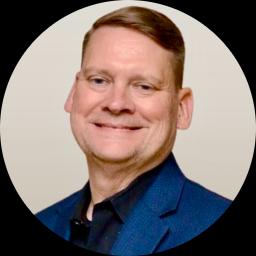
Brian Sharp

Brian Sharp

LPCC, LPC

Practical, mindful support for life’s transitions

Areas of expertise

Primary focus

Also works with

LGBTRelationship issuesFamily conflictsAnger managementCareer difficultiesCoping with life changes

Additional focus areas

AbandonmentAging and geriatric issuesAntisocial personalityAttachment issuesCaregiver issues and stressCommitment issuesCommunication problemsControl issuesDivorce and separationDrug and alcohol addictionEmptinessFamily problemsForgivenessGuilt and shameImpulsivityInfidelityIsolation / lonelinessJealousyLife purposeMen's issuesMidlife crisisMoney and financial issuesMood disordersMulticultural concernsObsessions, compulsions, and OCDPanic disorder and panic attacksPhobiasPrejudice and discriminationProcess addiction (porn, exercise, gambling)Self-harmSelf-loveSex addictionSexualitySocial anxiety and phobiaWorkplace issuesYoung adult issues

Therapeutic approaches

Acceptance and Commitment Therapy (ACT)Client-Centered TherapyCognitive Behavioral Therapy (CBT)Dialectical Behavior Therapy (DBT)Mindfulness TherapyMotivational InterviewingPsychodynamic TherapySolution-Focused Therapy

Experience

5+ years

Credentials

Texas, Missouri, California, New Jersey

Languages

English

Licenses listed

  • LPC, Texas84754
  • LPC, Missouri2025008418
  • LPCC, California21044
  • LPC, New Jersey37PC01200400
  • NPI 1184380222

As listed on the therapist's profile. You can check a license with the state licensing board and an NPI in the national registry.

  • Mindfulness practices
  • Values-based work
  • Skill focused

About Brian

Brian Sharp is a licensed professional counselor with five years of clinical experience. He works with adults who are coping with depression, anxiety, addiction, low self-esteem, and major life changes. Brian focuses on practical steps people can use right away to feel steadier and more in control.

He meets people where they are and listens first. Sessions aim to clarify what matters most, set manageable goals, and build skills that fit daily life. His work often includes coaching around career stress and relationship challenges to help people regain momentum.

Brian draws on several evidence-based approaches to tailor care to each person. He uses mindfulness practices to increase present-moment awareness and reduce reactivity. He also applies tools from cognitive behavioral therapy to spot and change unhelpful thinking patterns.

Acceptance and Commitment Therapy informs much of his work around values and committed action, while client-centered methods guide the way he builds an accepting therapy relationship. Dialectical behavior therapy skills are offered when people need help with emotional regulation and distress tolerance.

He primarily practices in Texas and holds the credentials LPCC and LPC. Sessions are conducted in English. Prospective clients are asked to follow the site’s process to match with him and schedule a time that fits their routine.

How his approaches translate to online work

Mindfulness Therapy focuses on simple, present-moment practices that reduce reactivity and increase calm. These practices can help with anxiety, stress, and managing strong emotions by teaching short exercises people can use between sessions.

Acceptance and Commitment Therapy, or ACT, helps people get clearer about their values and take small, practical steps toward them. That approach is useful for depression, life transitions, and when someone feels stuck or uncertain about next steps.

Client-Centered Therapy prioritizes a respectful, nonjudgmental relationship so clients feel heard while they explore changes. This helps people build confidence and motivation to try new behaviors.

Finding the right approach is part of the work together. Brian will talk through goals, preferences, and what feels most helpful, then adapt techniques from these methods to match the person's needs. The process is collaborative and paced to each person's comfort.

The practical benefits of online therapy include easier scheduling and fitting sessions into a busy week. Online work can reduce travel time and make it simpler to check in during a lunch break or between appointments. Confirm the current session options before booking so you know which formats are available for your situation.

These summaries are based on the profile information listed on BetterHelp. Listing mindfulness as an approach does not mean a therapist holds a formal mindfulness training or certificate.

Frequently asked questions

What concerns does Brian typically address?

He helps people with stress, anxiety, depression, addiction, low self-esteem, relationship strain, anger, career issues, and coping with life changes.

What is his general therapy style?

His style is collaborative and practical, blending mindfulness and skill-building with a client-centered, empathetic approach.

How much clinical experience does he have?

He has five years of experience working with adults on a range of emotional and behavioral concerns.

What credentials and region are listed for this therapist?

He holds LPCC and LPC credentials and practices in Texas.

Which languages does he use in sessions?

Sessions are offered in English only.

Can international clients work with him?

He does not accept international clients at this time.

How are fees and billing handled?

Cost varies with location and the subscription model used; sessions operate through a subscription that can be canceled at any time.

How do I begin if I want to work together?

Click the Start Therapy button, complete the short matching questionnaire, and schedule a session based on the therapist's availability.

Therapists on BetterHelp do not prescribe medication. A doctor can talk with you about medical options. If you are thinking about suicide, call or text 988; in an emergency, call 911.

Brian SharpContinue with Brian