Therapist listings are provided by BetterHelp. We will earn a commission at no additional cost to you if you sign up through our links.

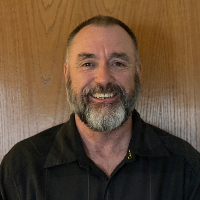
Brett Smith

Brett Smith

LMFT

Compassionate trauma-informed therapy with practical tools

Areas of expertise

Also works with

AddictionsLGBTRelationship issuesGriefIntimacy-related issuesEating disordersSleeping disordersParenting issuesAnger managementCareer difficultiesCoping with life changesCompassion fatigueADHD

Additional focus areas

AbandonmentBDSM, kink, and alternative sex cultureBody imageCodependencyCommitment issuesCommunication problemsControl issuesDependent personalityDissociationFamily of origin issuesFirst responder issuesInfidelityJealousyVeteran and Armed Forces IssuesMood disordersPersonality disordersPost-traumatic stressProcess addiction (porn, exercise, gambling)Self-harmSelf-loveSex addictionSexual assault and abuseSexuality

Therapeutic approaches

Cognitive Behavioral Therapy (CBT)Dialectical Behavior Therapy (DBT)HypnotherapyJungian TherapyMindfulness Therapy

Experience

22+ years

Credentials

California

Languages

English

Licenses listed

As listed on the therapist's profile. You can check a license with the state licensing board and an NPI in the national registry.

  • Direct practical style
  • Mindfulness and skills
  • Veteran perspective

About Brett

Brett Smith is a licensed marriage and family therapist with 22 years of clinical experience. He helps people who are dealing with stress, anxiety, trauma and abuse, depression, addictions, and struggles with self-esteem and relationships. He also supports concerns such as grief, intimacy-related issues, eating and sleeping problems, parenting challenges, anger, career stress, and compassion fatigue.

He draws on his experience as a combat veteran and former law enforcement officer to understand trauma from both personal and clinical angles. That background has shaped his focus on long-lasting trauma symptoms and personality-related difficulties. He has spent much of his career helping people untangle trauma reactions and personality disorder patterns.

His style is direct and focused on clear tools and skills. He commonly uses dialectical behavior therapy and also works with cognitive behavioral approaches and mindfulness practices. He has post-graduate work in hypnotherapy and describes clinical hypnotherapy influenced by Ericksonian and transformational ideas.

Clinical work has included emergency department psychiatric assessments, which he says strengthened his diagnostic clarity for complex cases. He combines practical skills training with attention to how past experiences shape present behavior. Sessions aim to set manageable goals and build everyday coping skills.

Outside of practice he and his wife enjoy sailing, backpacking, kayaking, and dog training. He also produces videos on topics related to therapy and mental health that people may find helpful.

How therapeutic approaches translate to online work

Mindfulness Therapy focuses on present-moment awareness and simple attention practices that help reduce reactivity and improve emotional regulation. It can be useful for stress, anxiety, sleep problems, and body-image concerns.

Cognitive Behavioral Therapy, or CBT, looks at the links between thoughts, feelings, and behaviors and teaches practical exercises to change unhelpful patterns. It is often used for depression, anxiety, and coping with life changes.

Dialectical Behavior Therapy, DBT, emphasizes skills in emotion regulation, distress tolerance, interpersonal effectiveness, and mindful awareness. Those skills are practical for managing intense emotions, relationship problems, and self-destructive patterns.

Choosing the right approach is part of the work. The therapist will discuss goals, preferences, and needs and then suggest approaches or combinations that fit. That decision is collaborative and may change as progress is made.

If you are considering online sessions, confirm which session formats are offered before booking since the biography does not list them. Online work can make it easier to fit therapy into a busy life, allow shorter check-ins when needed, and reduce travel time. It can also let people use video or audio options depending on bandwidth, comfort with being on camera, or the need for a quicker phone-style check-in.

These summaries are based on the profile information listed on BetterHelp. Listing mindfulness as an approach does not mean a therapist holds a formal mindfulness training or certificate.

Frequently asked questions

What kinds of concerns does Brett address?

He works with stress, anxiety, trauma and abuse, depression, addictions, and self-esteem issues, plus relationship and intimacy concerns and grief.

What is his therapeutic style like in sessions?

His approach is direct and skills-focused, using concrete techniques and behavioral strategies to help people manage symptoms and set achievable goals.

How much clinical experience does he have?

He has 22 years of experience in the counseling field, including work with trauma, personality disorders, and emergency psychiatric assessments.

What credentials and region does he practice from?

He is a licensed marriage and family therapist (LMFT) practicing in California.

Which languages are supported for sessions?

Sessions are offered in English and he accepts international clients.

What session formats are available?

The original biography does not list specific session formats; please confirm current session options before booking.

How is cost handled for sessions?

Session cost varies with location and therapist availability; services use a subscription that can be canceled at any time.

How do I begin working with him?

Start by selecting the Start Therapy button, completing a short matching questionnaire, and then scheduling according to the therapist's availability.

Therapists on BetterHelp do not prescribe medication. A doctor can talk with you about medical options. If you are thinking about suicide, call or text 988; in an emergency, call 911.

Brett SmithContinue with Brett