Therapist listings are provided by BetterHelp. We will earn a commission at no additional cost to you if you sign up through our links.

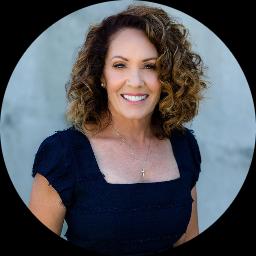
Audrey Teshima

Audrey Teshima

LMFT

Compassionate practical therapy for everyday struggles

Areas of expertise

Primary focus

Family conflictsParenting issuesSelf esteemCareer difficultiesCoping with life changes

Also works with

Stress, AnxietyRelationship issuesGriefCoachingCompassion fatigueADHD

Additional focus areas

Aging and geriatric issuesAttachment issuesAutism and Asperger SyndromeBlended family issuesBody imageCaregiver issues and stressCommunication problemsControl issuesDivorce and separationDomestic violenceEmptinessFamily of origin issuesFamily problemsFatherhood issuesForgivenessGuilt and shameImpulsivityIsolation / lonelinessLife purposeMidlife crisisVeteran and Armed Forces IssuesMoney and financial issuesMulticultural concernsPostpartum depressionPregnancy and childbirthSelf-loveSocial anxiety and phobiaWomen's issuesWorkplace issuesYoung adult issues

Therapeutic approaches

Client-Centered TherapyCognitive Behavioral Therapy (CBT)Dialectical Behavior Therapy (DBT)Mindfulness TherapyMotivational InterviewingSolution-Focused TherapyInternal Family Systems

Experience

10+ years

Credentials

California

Languages

English

Licenses listed

As listed on the therapist's profile. You can check a license with the state licensing board and an NPI in the national registry.

  • Mindfulness-informed care
  • Strengths-focused work
  • Values-based guidance

About Audrey

Audrey Teshima is a Licensed Marriage and Family Therapist (LMFT) based in California who helps people manage stress, anxiety, parenting challenges, and relationship conflict. She frames sessions around strengths and practical steps so clients can move toward clearer decisions and calmer days. Her style is grounded and compassionate, intended to make conversations feel manageable even when feelings are big.

Audrey brings a decade of clinical experience and a background as a public school teacher. That mix shaped how she works with people from many walks of life and with different daily demands. She has worked in private practice, community mental health and substance use clinics, and inside elementary, middle, and high schools.

Her approach blends client-centered listening with practical tools from cognitive behavioral methods, dialectical behavior ideas, and motivational interviewing. Mindfulness techniques are also part of sessions to help people notice reactions and choose different responses in stressful moments.

Audrey integrates Biblically based Christian principles when that fits a client's values, and she aims for a gentle, balanced way of guiding conversations. She focuses on concrete goals like improving communication, setting boundaries, or managing career stress so people can practice new skills between sessions.

People come to Audrey for parenting and co-parenting help, family conflict, self-esteem work, grief, compassion fatigue, ADHD concerns, and career or life transition support. She works with each person to build more resilient, hope-filled routines one step at a time.

How Audrey Uses Mindfulness and Practical Therapy Online

Mindfulness Therapy focuses on noticing thoughts, feelings, and bodily sensations without judgment. This simple practice can help reduce reactivity, ease stress, and make it easier to choose new responses during difficult moments. Client-Centered Therapy emphasizes listening and understanding a person's perspective so they feel heard and can lead the goals of therapy. Cognitive Behavioral Therapy (CBT) looks at unhelpful thinking patterns and teaches concrete skills to change thoughts and behaviors that contribute to anxiety, low mood, or stress.

Finding the right mix of methods is part of the work together. Audrey will collaborate with clients to choose approaches that match their needs, goals, and values. She uses client feedback and practical checking-in to adjust tools and homework so the plan stays useful and relevant.

Please confirm the current session formats before booking, as specific online options are not listed here. Online therapy can make it easier to fit sessions into a busy life - for example, scheduling during a work break or joining from different locations when needed. It also enables shorter check-ins or skill-focused meetings that slot into a day more easily than travel to an office. Licensed professionals can adapt mindfulness and CBT practices to work well in remote sessions, focusing on skills practice, behavioral experiments, and guided reflection.

These summaries are based on the profile information listed on BetterHelp. Listing mindfulness as an approach does not mean a therapist holds a formal mindfulness training or certificate.

Frequently asked questions

What kinds of problems does Audrey commonly address?

She helps people with family conflict, parenting and co-parenting concerns, relationship struggles, self-esteem, career and vocational issues, stress, anxiety, grief, compassion fatigue, and ADHD-related challenges.

How would you describe her therapeutic style?

Her style mixes client-centered listening with practical techniques from CBT and DBT, plus mindfulness practices. Sessions focus on clear, manageable steps and building skills to use between meetings.

What is her professional background?

She has about 10 years of clinical experience and additional work experience as a public school teacher, with time spent in private practice, community mental health and substance use clinics, and school settings.

Where is she licensed and practicing?

She is a Licensed Marriage and Family Therapist (LMFT) licensed in California and practices with that credential in the state.

Which languages are supported in sessions?

Sessions are offered in English.

Can people outside the United States work with her?

She does not work with international clients at this time.

How does billing and cost work?

Cost varies with location and therapist availability; sessions use a subscription that can be canceled at any time.

What is the first step to begin therapy?

Use the Start Therapy button, complete a short matching questionnaire, and then schedule according to therapist availability.

Therapists on BetterHelp do not prescribe medication. A doctor can talk with you about medical options. If you are thinking about suicide, call or text 988; in an emergency, call 911.

Audrey TeshimaContinue with Audrey