- Skills focused
- Evidence based
- Goal oriented
About Tracie
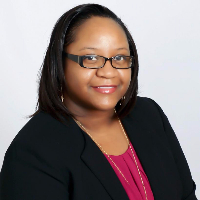
Tracie Stewart is a licensed professional counselor who focuses on helping people move past obstacles and build better day-to-day coping skills. She holds a master’s degree in clinical psychology and a second master’s in health psychology. Tracie brings nine years of clinical experience to her work in Wisconsin and centers care on practical steps clients can use right away.
Her style is straightforward and skills-focused. Sessions often include evidence-based techniques aimed at changing unhelpful thinking and strengthening emotional regulation. Tracie draws on mindfulness practices to help clients notice patterns in thought and body response without getting stuck in them.
She commonly supports people dealing with stress, anxiety, anger, low self-esteem, and depression. Tracie also addresses relationship strain, family concerns, trauma and abuse, and grief. The emphasis is on small, doable changes that add up over time.
In sessions she teaches tools from Cognitive Behavioral Therapy and Dialectical Behavior Therapy alongside mindfulness exercises. Clients work together with her to set clear goals and practice skills between appointments. The approach is practical, paced to the client, and aimed at day-to-day improvement.
Tracie is credentialed as LPC and LMHC in Wisconsin. Prospective clients can expect a focused, collaborative process that emphasizes building life skills and resilience.