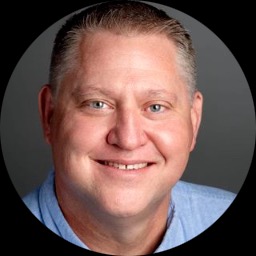
As listed on the therapist's profile. You can check a license with the state licensing board and an NPI in the national registry.
Mindfulness informed
Practical coping skills
Client-centered care
About Mark
Mark McWhorter is a Licensed Professional Counselor who helps people facing stress, anxiety, family conflict, grief, anger, and major life changes. He keeps sessions straightforward and focused on practical steps that fit daily life. Mark aims to make the first conversations easy to manage for someone who may be anxious about starting therapy.
He draws on mindfulness practices to help clients notice and manage strong emotions. He also uses client-centered methods to create a listening space where people feel respected and understood. Cognitive Behavioral Therapy tools are used when negative thoughts and behaviors need to be changed with clear, doable exercises.
Mark brings three years of clinical counseling experience alongside more than ten years as a law enforcement chaplain. That background shapes his calm, steady approach when people come in after a crisis or during ongoing stress. He also has over twenty years in ordained ministry and pastoral counseling, which informs how he talks about meaning, values, and relationships when clients request it.
Sessions focus on what matters most to the person in the room. Typical topics include attachment and abandonment concerns, blended family issues, communication problems, addiction and co-occurring concerns, fatherhood struggles, and forgiveness work. He aims to help clients build coping skills, clearer boundaries, and better communication in their everyday lives.
Mark practices in Idaho and conducts therapy in English. He views therapy as a collaboration and supports clients who want concrete tools alongside reflective conversation.
How Mark blends mindful, practical approaches in online care
Mindfulness Therapy teaches simple attention and breathing practices to help slow intense emotions and increase awareness of patterns that keep people stuck. It can be useful for anxiety, stress, grief, and anger by creating space to choose responses rather than react automatically. Client-Centered Therapy focuses on listening and understanding; the therapist offers empathy and nonjudgmental support so people can find their own path forward. Cognitive Behavioral Therapy (CBT) looks at thoughts, feelings, and actions and uses small experiments and exercises to shift unhelpful patterns.
Finding the right approach is part of the work together. The therapist collaborates with each person to decide which methods fit their goals, values, and day-to-day life. That may mean combining mindfulness practices with CBT exercises or using client-centered conversation alongside skill building.
This profile does not list specific session formats, so confirm current online options before booking. Many people choose remote therapy because it can be easier to fit sessions into a busy schedule, requires less travel time, and lets someone join from quieter surroundings. Shorter check-ins can fit a break at work, and practices like guided mindfulness or homework exercises translate well to remote visits. Licensed professionals can tailor the mix of exercises and conversation to make online sessions practical and useful for everyday life.
These summaries are based on the profile information listed on BetterHelp. Listing mindfulness as an approach does not mean a therapist holds a formal mindfulness training or certificate.
Frequently asked questions
What kinds of problems does Mark focus on?
He works with stress, anxiety, family conflict, grief, anger, and coping with life changes. Additional areas include attachment, blended family issues, addiction concerns, and communication problems.
How would you describe his therapeutic style?
Sessions are grounded in listening and collaboration. Mindfulness, client-centered approaches, and CBT or DBT techniques are used depending on what the person needs.
What is his professional background?
He has three years of clinical counseling experience, over ten years as a law enforcement chaplain, and more than twenty years in ordained ministry and pastoral counseling.
Where is he licensed and based?
He is a Licensed Professional Counselor (LPC) and practices in Idaho.
Can people meet with him in other languages?
Sessions are offered in English.
Does he see international clients?
International clients are not currently accepted.
How are fees and payments handled?
Cost varies with location and therapist availability; sessions use a subscription that can be canceled at any time.
How do I begin working with him?
Click the Start Therapy button, complete a short matching questionnaire, and schedule based on the therapist's availability.
Therapists on BetterHelp do not prescribe medication. A doctor can talk with you about medical options. If you are thinking about suicide, call or text 988; in an emergency, call 911.